

Austin vs San Antonio Patio Engineering Guide
Alex Reemts • April 28, 2026
Designing a patio cover in Austin versus San Antonio requires different engineering due to soil variability. Austin often deals with limestone and rock, while San Antonio presents expansive clay. These geological differences dictate footing depth and reinforcement needs to ensure structural stability and code compliance across Central Texas.
When you’re dreaming of a backyard retreat, you’re likely thinking about the shade, the ceiling fans, and how great your grill will look under a new roof. But here in the Texas Hill Country, the most important part of your project is actually the part you can’t see. Whether you are in the heart of Austin or the rolling hills of San Antonio, the engineering requirements for a patio cover are drastically different because the ground beneath us is constantly changing.
At Texas Patio Covers, we’ve built thousands of structures from Georgetown down to Boerne. We know that a design that works perfectly in the limestone of West Lake Hills might fail miserably in the shifting clay of East San Antonio. Understanding Austin vs San Antonio patio engineering isn't just for the geologists; it’s for any homeowner who wants their investment to stand the test of time.
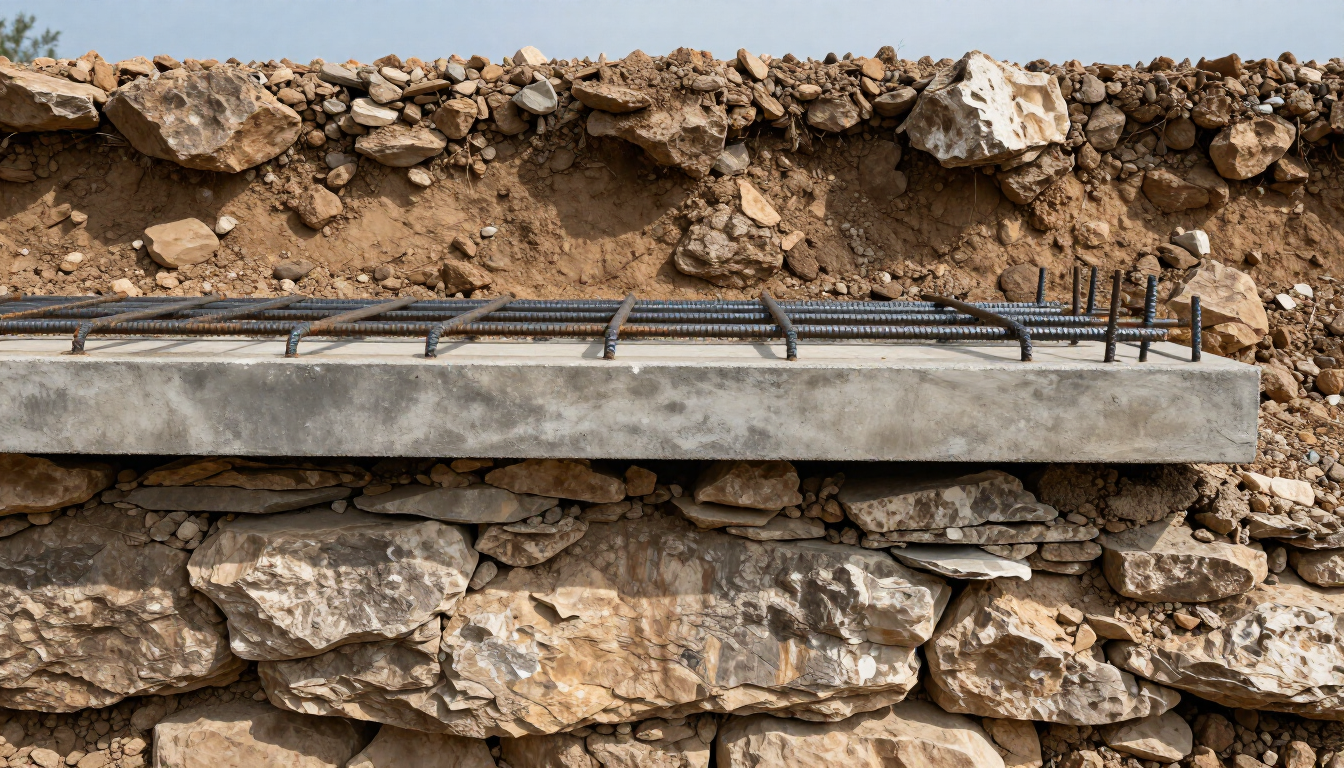
Why does geology matter for your patio cover?
The foundation of any structure is only as stable as the soil it sits on. Central Texas is famous for its "Balcones Fault Zone," a geological line that separates two very different worlds. To the west, you have the rugged, rocky Hill Country. To the east, you have the deep, heavy clay of the Blackland Prairie.
Soil movement is the number one enemy of a screened porch or patio cover. If the ground shifts and your footings aren't engineered for it, your roofline will sag, your shingles will crack, and your screen doors will stop latching. This is why we treat every project as a unique engineering challenge. You aren't just buying a kit; you’re buying a structural solution tailored to your specific backyard.
Key geological factors include:
- Soil bearing capacity (how much weight the dirt can hold).
- Expansive properties (how much the soil swells when wet).
- Depth to bedrock (how deep we have to dig to hit solid ground).
- Slope and drainage (how water moves around the foundation).
- Vegetation and root systems (how nearby trees affect moisture).
Austin Engineering: Building on the Rock
If you live in Austin, especially in areas like Lakeway, Cedar Park, or Westlake, you are likely sitting on a massive slab of limestone. From an engineering perspective, this is both a blessing and a curse. It’s a blessing because rock is incredibly stable. Once we anchor a patio cover into solid rock, it isn't going anywhere. There is very little "heave" or settlement to worry about compared to other soil types.
However, it’s a curse for the construction crew. Digging footings in Austin often requires heavy-duty jackhammers or rock saws. While the engineering might call for a shallower footing than in clay, the labor to get there is intense. In many Austin patio covers projects, we have to use specialized anchors that bolt directly into the limestone to ensure the structure can withstand high wind uplift.
Austin also has very specific municipal requirements. The City of Austin is known for having some of the strictest building codes in the country. Their engineers look closely at how the weight of the new roof is transferred to the existing house. If you are attaching to a fascia or a roofline, the engineering must prove that the existing rafters can handle the added "dead load" (the weight of the materials) and "live load" (wind and rain).
How does San Antonio's expansive clay affect construction?
Moving south to San Antonio, the challenge changes completely. Much of the San Antonio area, particularly the north and east sides, is dominated by expansive clay. This soil acts like a sponge; it swells significantly when it rains and shrinks when it dries out. This constant movement can exert thousands of pounds of pressure on a concrete footing.
For San Antonio patio covers , engineering usually requires much deeper piers. We often have to dig 3, 4, or even 6 feet deep to reach a soil layer that remains moisture-stable. We also use more rebar (steel reinforcement) in San Antonio to ensure the concrete footings don't crack as the earth moves around them.
Without proper engineering in San Antonio, a patio cover attached to a home can actually pull away from the house during a drought or push upward during a wet spring. This is why we often recommend "floating" or independent footings for certain types of aluminum pergolas in this region, allowing the structure some flexibility without compromising the main house's integrity.
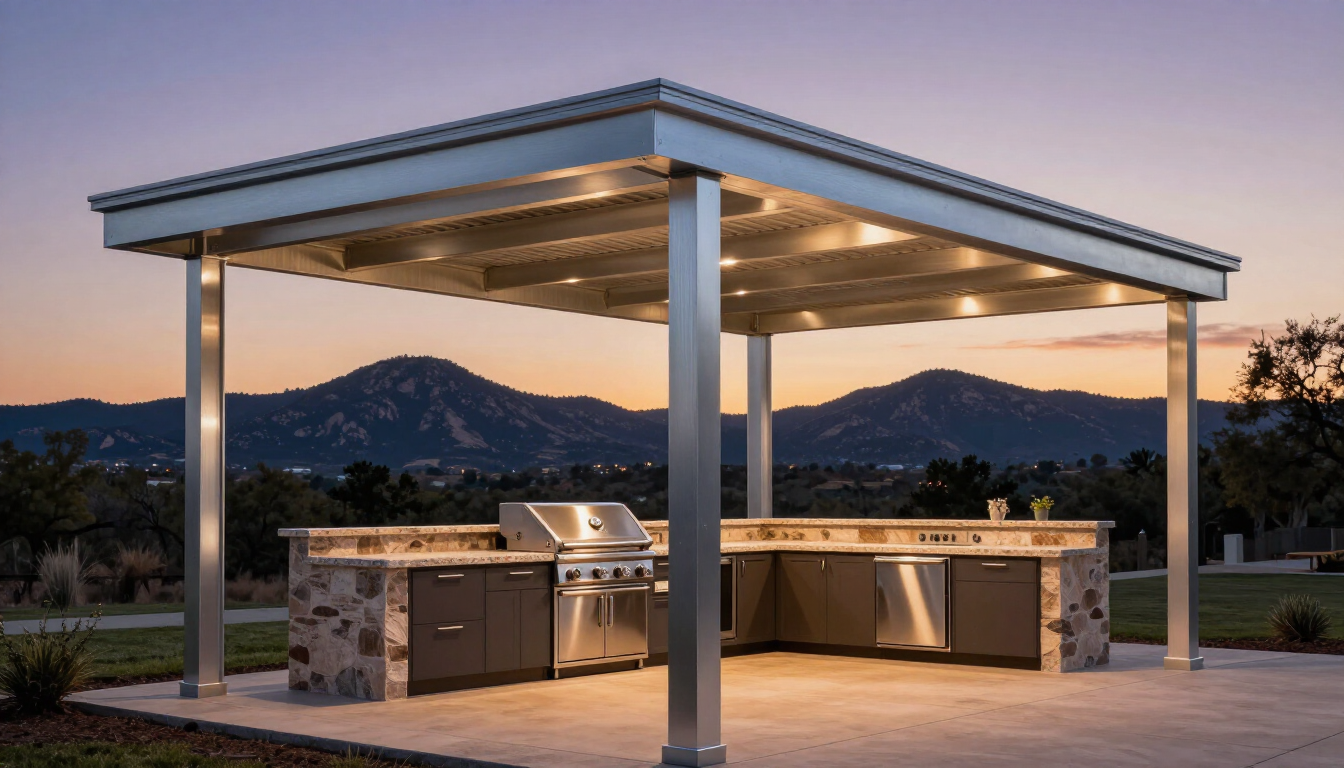
Why you need a professional engineering stamp?
Many homeowners ask if they can just "skip the permits" or use a standard drawing from the internet. In Central Texas, that is a recipe for disaster. Professional engineering (often evidenced by a P.E. stamp) is your insurance policy. An engineer calculates the exact wind loads and structural requirements for your specific address.
Texas is part of a high-wind zone. Even though we aren't on the coast, we frequently see gusts that can reach 90 to 110 mph during spring storms. A patio cover acts like a giant sail. If it isn't engineered to be tied down to the foundation correctly, the wind can literally lift the roof off the posts.
When we design screen rooms , we account for:
- Wind Uplift: Preventing the roof from flying away.
- Lateral Stability: Preventing the structure from leaning or wobbling.
- Point Loads: Ensuring the weight is distributed so it doesn't crack your existing patio slab.
- Snow/Ice Load: Yes, even in Texas, we have to prepare for the occasional winter storm weight.
- Deflection: Making sure the beams don't bend over time.
The Texas Hill Country Permitting Process
Navigating the bureaucracy is just as much a part of the "foundation" as the concrete. The process in San Antonio is quite different from Austin . Each municipality has its own set of rules regarding setbacks (how close you can build to your neighbor), impervious cover (how much of your lot can be covered by non-draining surfaces), and drainage.
In Austin, the "Impervious Cover" rule is a major hurdle. If you already have a large driveway and a pool, you might be limited in how large your patio cover can be. In San Antonio, they might be more focused on your tree preservation or how the runoff affects the Edwards Aquifer recharge zone. We handle all of this for our clients, ensuring that every project is 100% legal and code-compliant.
Steps in our typical permitting and engineering phase:
- Site survey to measure existing structures and lot lines.
- Soil assessment to determine the necessary footing depth.
- Drafting of structural plans by a licensed designer.
- Submission to city or county building departments for review.
- Final inspections to verify that the build matches the engineering.
Is a standard design enough for my backyard?
In short: No. A "one size fits all" approach is dangerous in a state with such diverse terrain. Whether you’re looking at aluminum patio covers or custom wood structures, the engineering must match your specific GPS coordinates. The foundation of quality isn't just about the premium materials we use; it’s about the invisible math that ensures those materials stay exactly where they belong for the next thirty years.
Choosing a contractor who understands the difference between the limestone of the Austin hills and the clay of the San Antonio plains is the best way to protect your home’s value. At Texas Patio Covers, we take pride in being the experts on both sides of the I-35 corridor. We don't just build roofs; we build peace of mind through superior engineering.
Core Takeaways for Your Project:
- Austin projects usually require rock-anchored footings and strict impervious cover management.
- San Antonio builds need deep, reinforced piers to handle expansive, shifting clay soils.
- Professional engineering is mandatory to protect against 90mph+ wind uplift in Central Texas.
- Custom site plans are necessary to navigate the unique permitting rules of each city.
- A properly engineered foundation prevents sagging, cracking, and structural failure over time.
Ready to start your project with a team that knows the ground you stand on? Contact us today for a consultation, or browse our Patio Cover Photo Gallery to see the quality we’ve built for your neighbors.
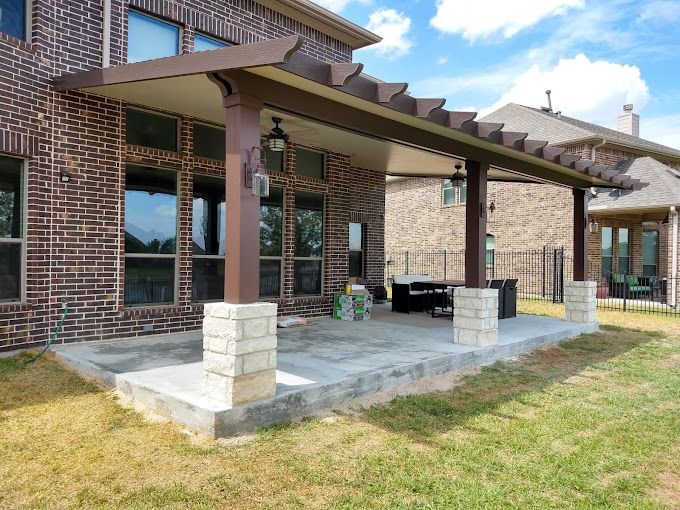
Custom Patio Covers
Enhance your outdoor living with our tailor-made patio covers, designed to provide shade and style for your backyard gatherings.
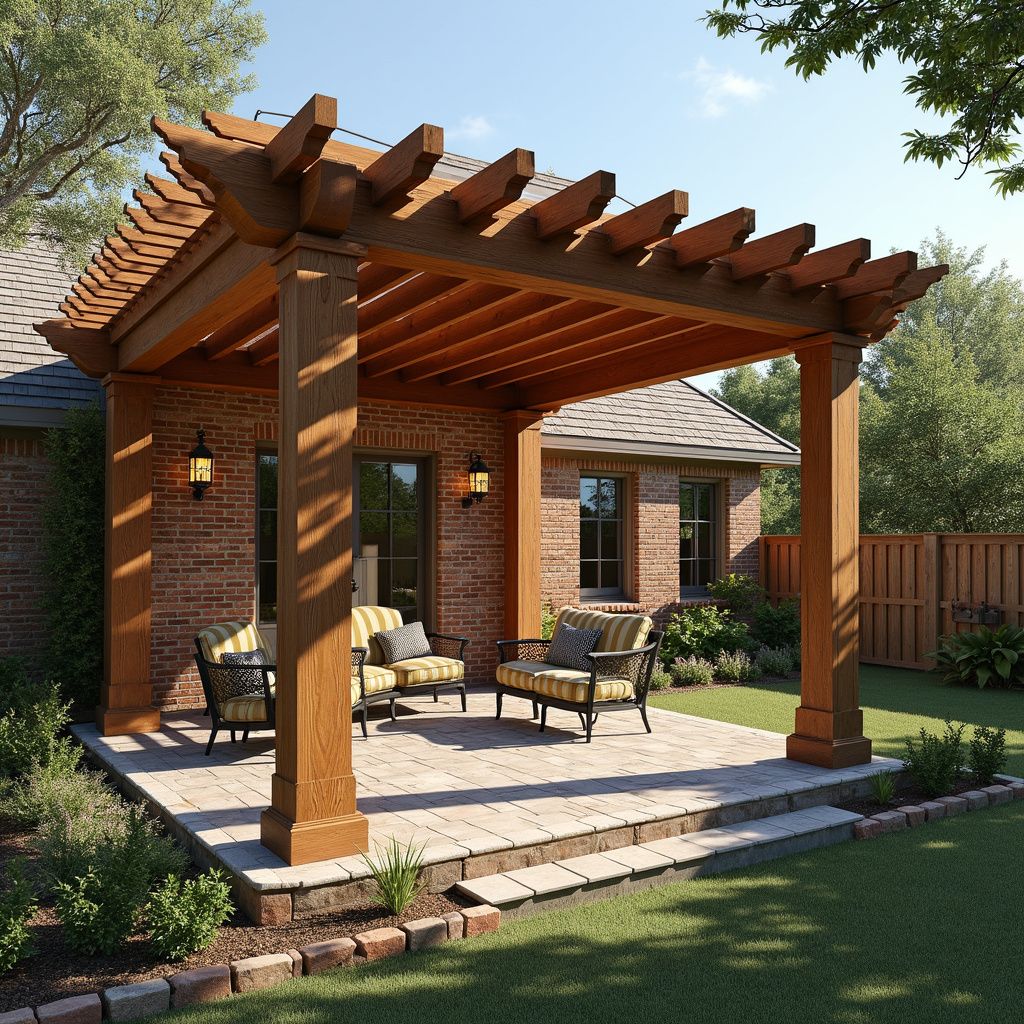
Elegant Pergolas
Add a touch of elegance to your outdoor space with our stunning cedar & aluminum pergolas, perfect for creating a cozy retreat.
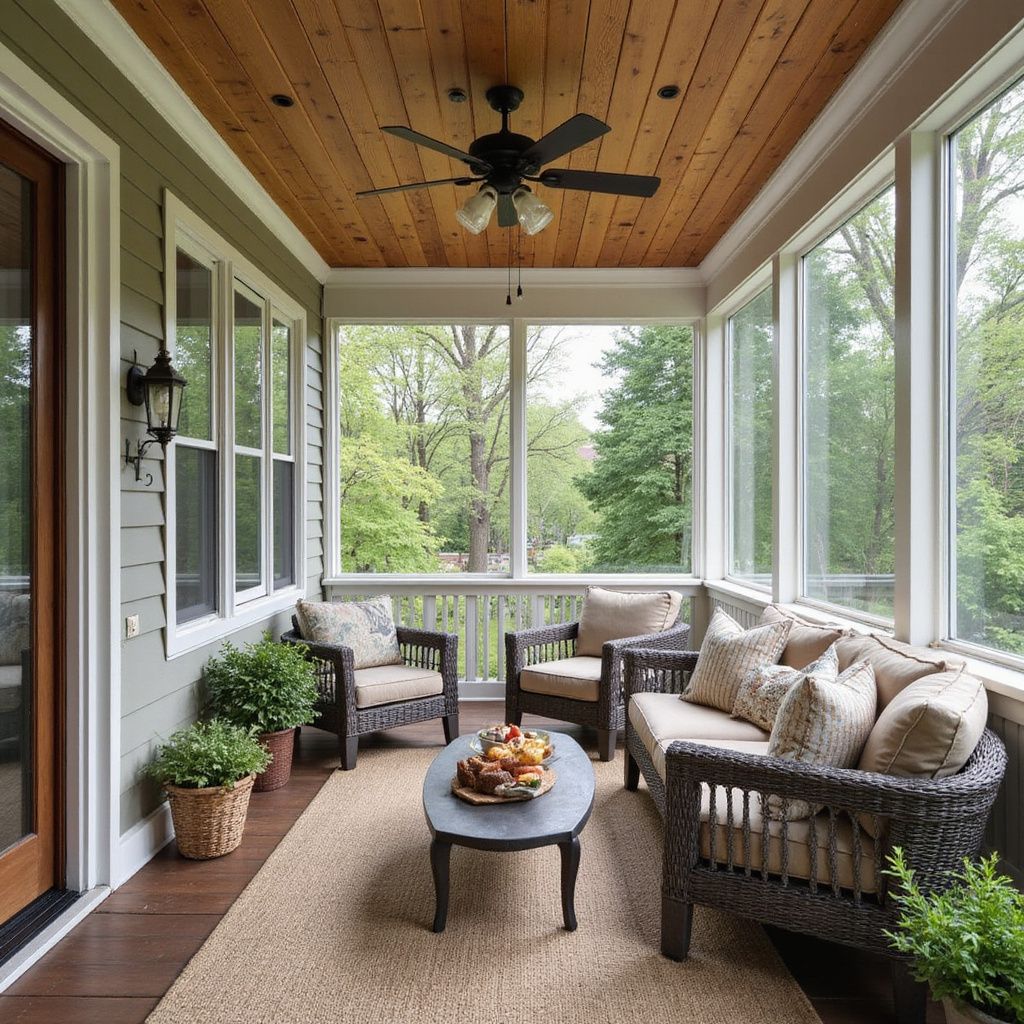
Screened Porches
Enjoy the outdoors without the bugs! Our screened porches offer a perfect blend of comfort and protection.
Contact Us
We’re ready to assist you! Whether you're looking for a compact pergola, an expansive screened patio cover, or simply have inquiries about our services, our team is here to help.
GET PROFESSIONAL HELP
Get a Free Quote Today
We will get back to you as soon as possible.
Please try again later.