Alex Reemts • November 26, 2025

DIY vs. Professional Patio Installation: Which Is Right for Texas Homeowners?

Get a Free Quote

Contact us any time

🔒 No obligation. Fully insured across Bexar & Travis Counties.

A new backyard patio cover can completely transform your outdoor space — but should you build it yourself or hire a professional? Homeowners across Texas often ask this exact question. The right choice depends on your skill level, tools, timeline, and how important long‑term durability is for your home.


This guide breaks down the pros and cons of each option, explains how Texas building conditions affect your decision, and helps you choose the safest, most cost‑effective path forward when considering patio cover services in Central Texas.


1. Understanding the Scope of a Patio Cover Project


Patio covers may look simple, but they require:

  • Structural engineering. Incorrect post placement is a common DIY error; read about optimal post spacing for a stable build.
  • Load‑bearing posts and footings
  • Proper attachment to your home
  • Water management (gutters, flashing, drainage)
  • Electrical work (fans, lights, outlets)
  • Compliance with city codes and HOA rules


Whether you are installing solid roof structures in Austin or open-air pergolas in San Antonio, they require precise structural engineering and load-bearing calculations.


2. DIY Installation: Pros & Cons


Pros of DIY Installation

  • Lower upfront cost
  • Full control over design and timeline
  • Satisfaction of building it yourself


Cons of DIY Installation

  • Requires advanced carpentry or metal‑working skills
  • Incorrect footings or beams can lead to structural failure
  • No warranty or workmanship guarantee
  • Homeowners are responsible for permits and HOA approvals
  • DIY kits often fail Texas wind‑load requirements
  • Permit challenges


Common DIY Mistakes


Heat resistance is critical. Many DIY materials fail to provide adequate cooling; learn why more residents are opting for insulated patio covers to effectively block the Texas sun.


Professional Installation


Hiring a licensed builder ensures your patio cover is engineered, permitted, and installed to last — especially in areas with strict building codes like San Antonio and Austin.


Benefits of Hiring a Professional

  • Code‑compliant construction
  • Correct footings, beams, and load‑bearing calculations
  • Faster installation with professional tools
  • HOA and permit handling included
  • Warranty‑backed workmanship
  • Better long‑term durability in Texas weather


Hiring a pro gives you access to high-grade materials like custom aluminum patio covers that are designed to resist rust and Texas heat better than standard retail kits.


What to Expect During Professional Installation

  • On‑site consultation and measurements
  • Structural design based on your home’s layout
  • Material selection (aluminum, insulated panels, cedar, etc.)
  • Permit submission and HOA coordination. Most committees have strict aesthetic standards. Check out what Austin HOAs typically approve to avoid a rejection.
  • Fast, clean installation
  • Final walkthrough and warranty documentation


DIY vs. Professional Comparison


Factor DIY Installation Professional Installation
Upfront Cost Lower Higher
Time Required Longer Faster
Skill Needed High None
Safety Risk of errors Code-compliant
Durability Varies Long-term reliability
Permits / HOA Homeowner responsibility Fully handled
Warranty None Included

Which Option Is Best?


Central Texas has unique building conditions that heavily influence your decision:


San Antonio

  • Higher wind‑load requirements in many neighborhoods
  • Expanding clay soils require correct footing depth
  • HOAs often require engineered drawings
  • Storm‑resistant materials are strongly recommended


For most homeowners in the Alamo City, professional installation is the safest choice for San Antonio patio covers to ensure they meet strict local wind-load ratings. We also provide expert consultation and installation for homeowners in New Braunfels, and all surrounding areas who are navigating unique Hill Country terrain and HOA standards.


Austin

  • Strict permitting in city limits
  • Heavy tree coverage affects design and placement
  • Hill Country limestone requires specialized anchoring
  • Matching architectural styles and meeting specific code requirements for Austin pergola construction is a top priority for our design team.


FAQs

  • Do I need a permit?

    Most cities require permits for attached patio covers. Professional installation ensures your project meets code and passes inspection.


    Navigating the paperwork is tough; see our specific guides for obtaining a building permit in Austin and the requirements for San Antonio building permits.

  • Can DIY kits meet Texas wind‑load requirements?

    Most do not. Many kits are designed for mild climates and fail to meet Central Texas wind ratings.

  • How long does professional installation take?

    Most patio covers are completed in 1–3 days, depending on size and material.

  • What warranties come with professional installation?

    Texas Patio Covers provides material warranties and workmanship guarantees, giving you long‑term peace of mind.

Don't Risk Your Backyard Investment


Building a patio cover is more than just a weekend project—it’s a permanent addition to your home's structure. At Texas Patio Covers, we take the stress out of the process by handling everything from engineering and permits to professional installation.


Request Your Free Design Consultation


Ready to see the professional difference? Browse our photo gallery for inspiration or call our local experts at (830) 357-8960 to discuss your project today.

Get a Free Quote Today

Recent Posts

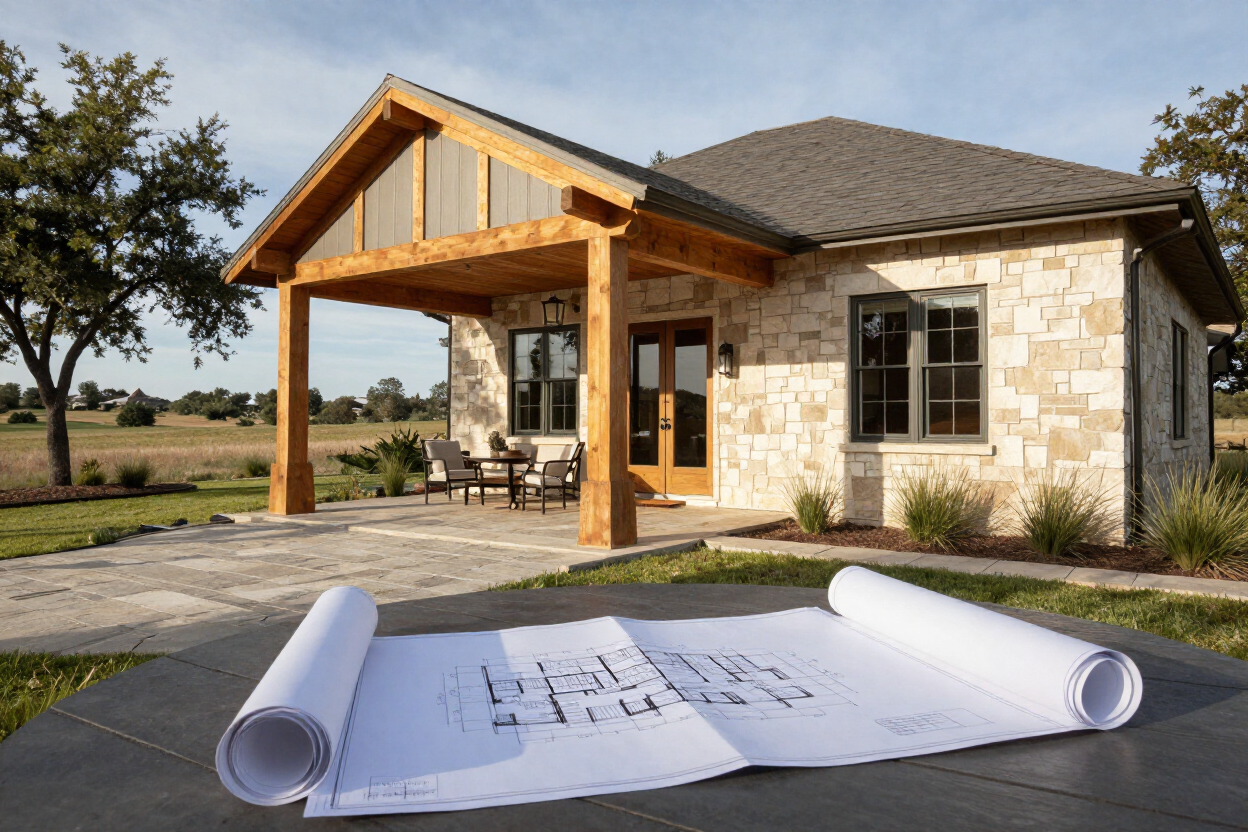
New house with stone exterior and covered porch, blueprints rolled out in the foreground
By Alex Reemts • November 1, 2026
A plain-English guide to patio cover permits and HOA approval in Comal County, Bulverde, Spring Branch and nearby Texas Hill Country communities.
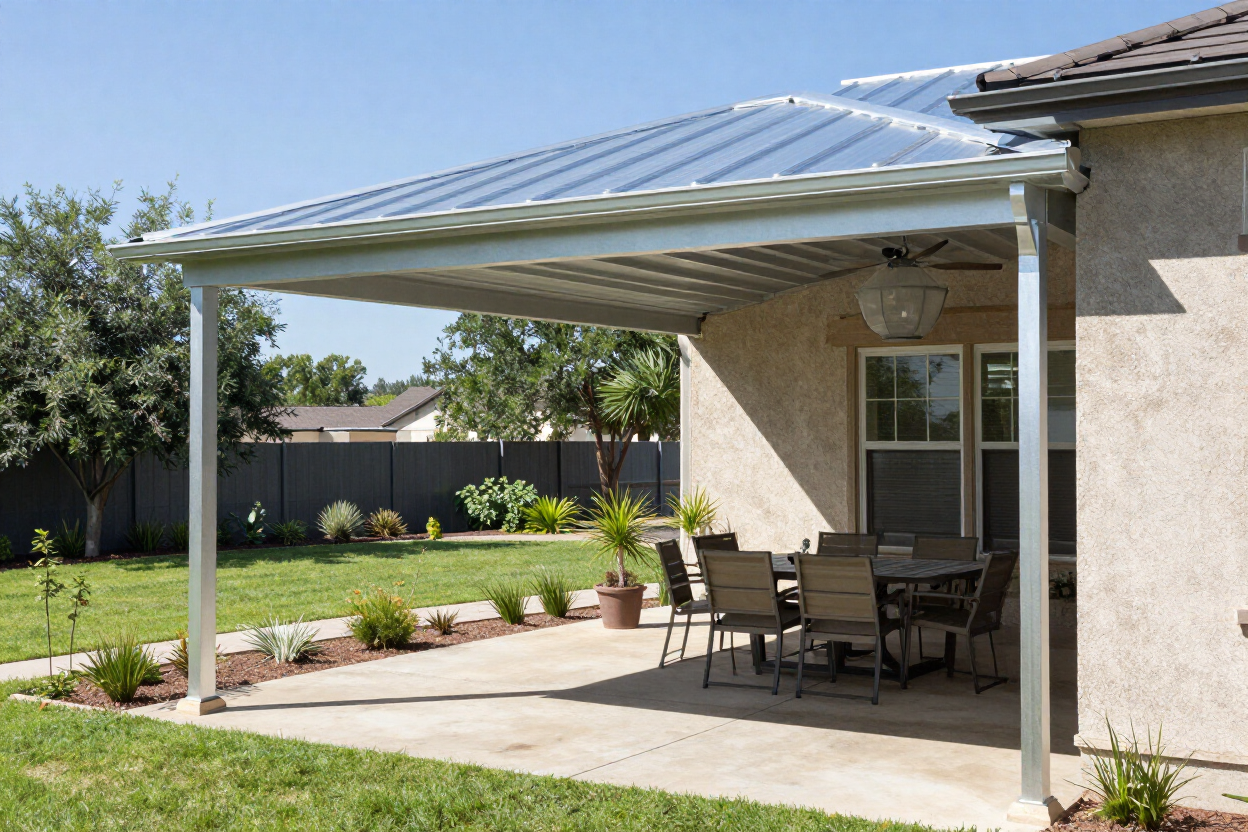
Backyard patio with metal pergola, outdoor dining set, and landscaped lawn in sunlight
By Alex Reemts • November 1, 2026
Compare insulated aluminum and wood patio covers for Texas heat: cooling, upkeep, lifespan and cost, plus how to choose for your yard.
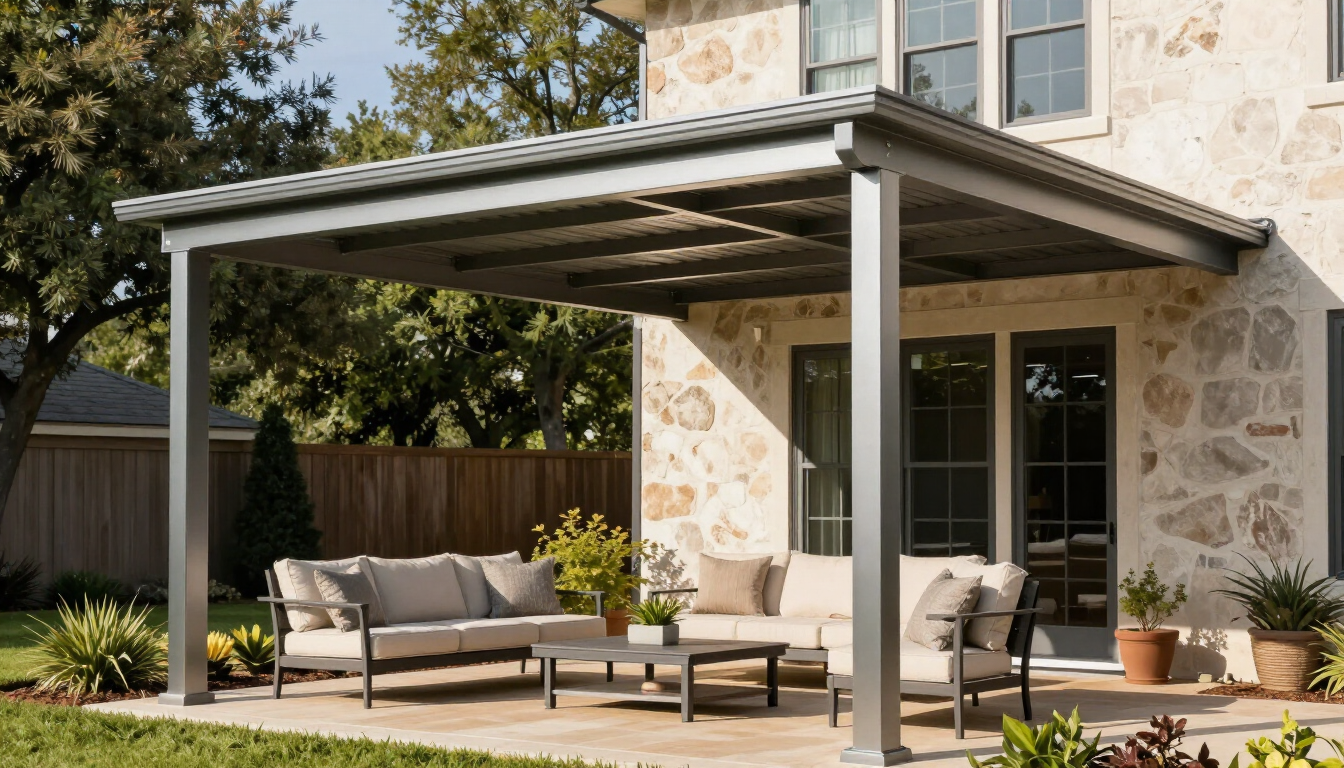
Covered patio with wooden pergola, outdoor seating, and stone walkway beside a house
By Alex Reemts • November 1, 2026
What drives custom patio cover costs in Austin and San Antonio: size, materials, engineering, permitting and warranty, with typical price ranges.
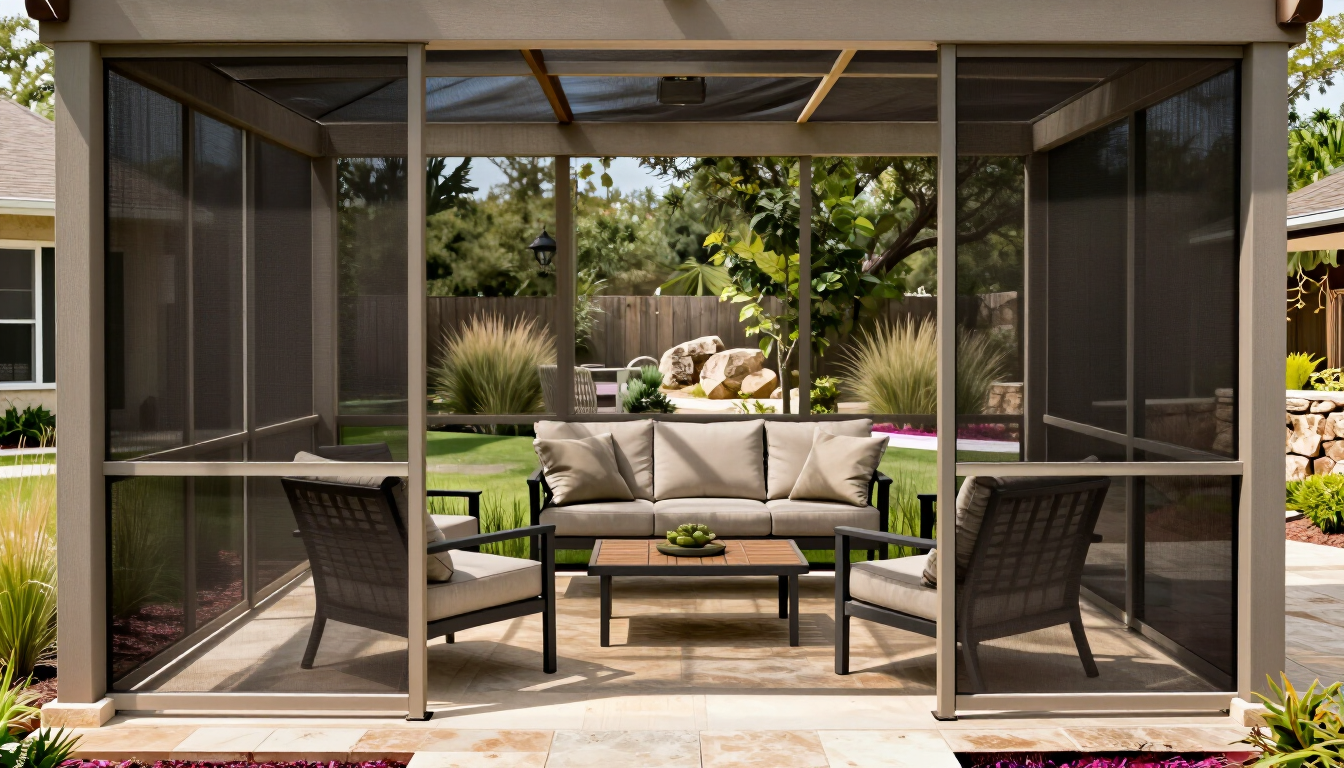
Screened porch with wicker seating, dining table, and warm porch lights at dusk
By Alex Reemts • November 1, 2026
Screened porch or screen room? Learn the differences, best uses and what to look for in a bug-free enclosure built for South Texas humidity.
San Antonio patio cover providing shade
By Alex Reemts • October 15, 2026
Discover five reasons a San Antonio patio cover helps homeowners beat South Texas heat, handle storms, follow local rules, and enjoy more outdoor living.
Screened patio with fine bug mesh in San Antonio
By Alex Reemts • October 15, 2026
Compare patio screen options for San Antonio mosquitoes, no-see-ums, heat, pets, and wind. Learn which mesh fits your Hill Country outdoor space.
Patio cover protecting an Austin backyard from Texas sun
By Alex Reemts • October 15, 2026
Discover five reasons Austin homeowners need a patio cover, from Central Texas heat and pollen to rain, HOA rules, permits, and Hill Country living.
Modern pergola styles for Texas homes
By Alex Reemts • October 10, 2026
Compare the best pergola styles for modern Texas homes, including aluminum, louvered, cedar, Polygal-roofed, attached and screened designs for San Antonio and Austin.
Outdoor structure materials in an Austin backyard
By Alex Reemts • October 10, 2026
Compare decking, pergola, patio cover, Polygal, and screen room materials for Austin homes, plus practical financing options for outdoor living projects.