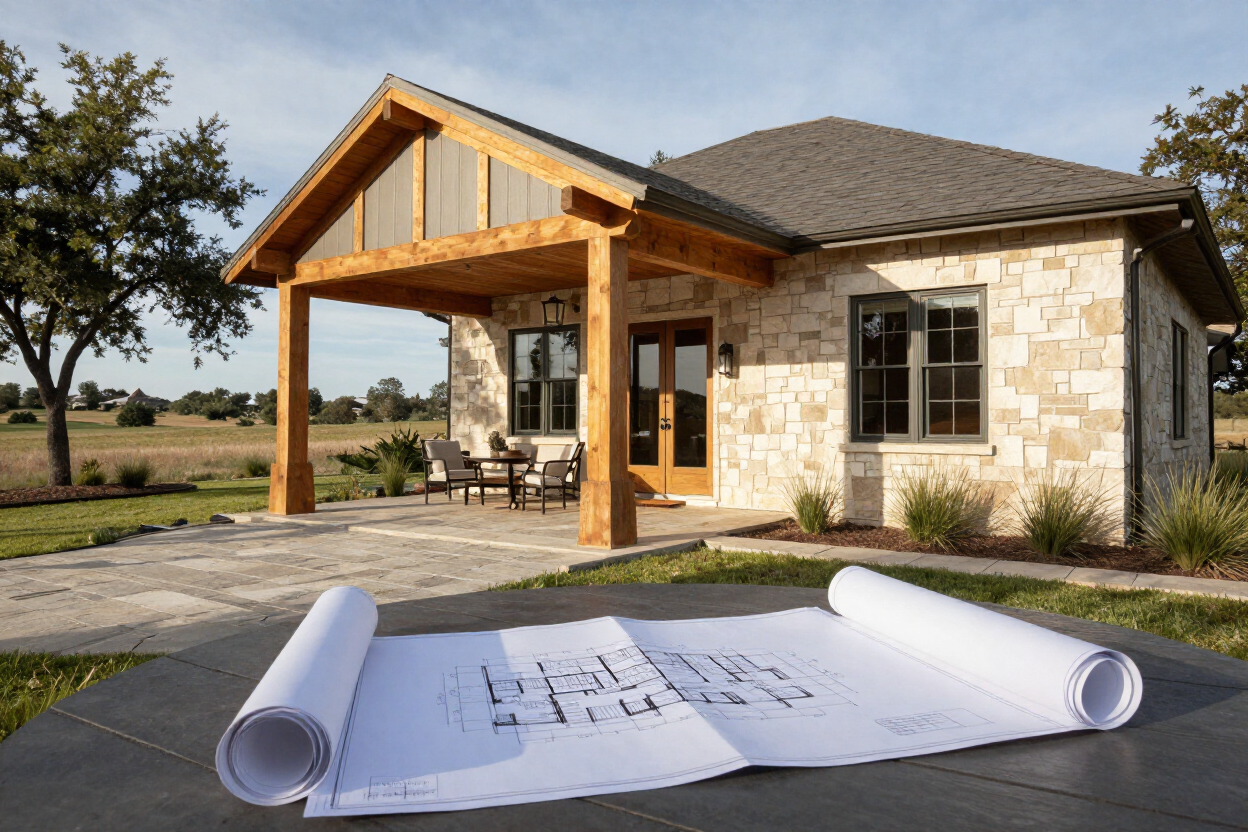
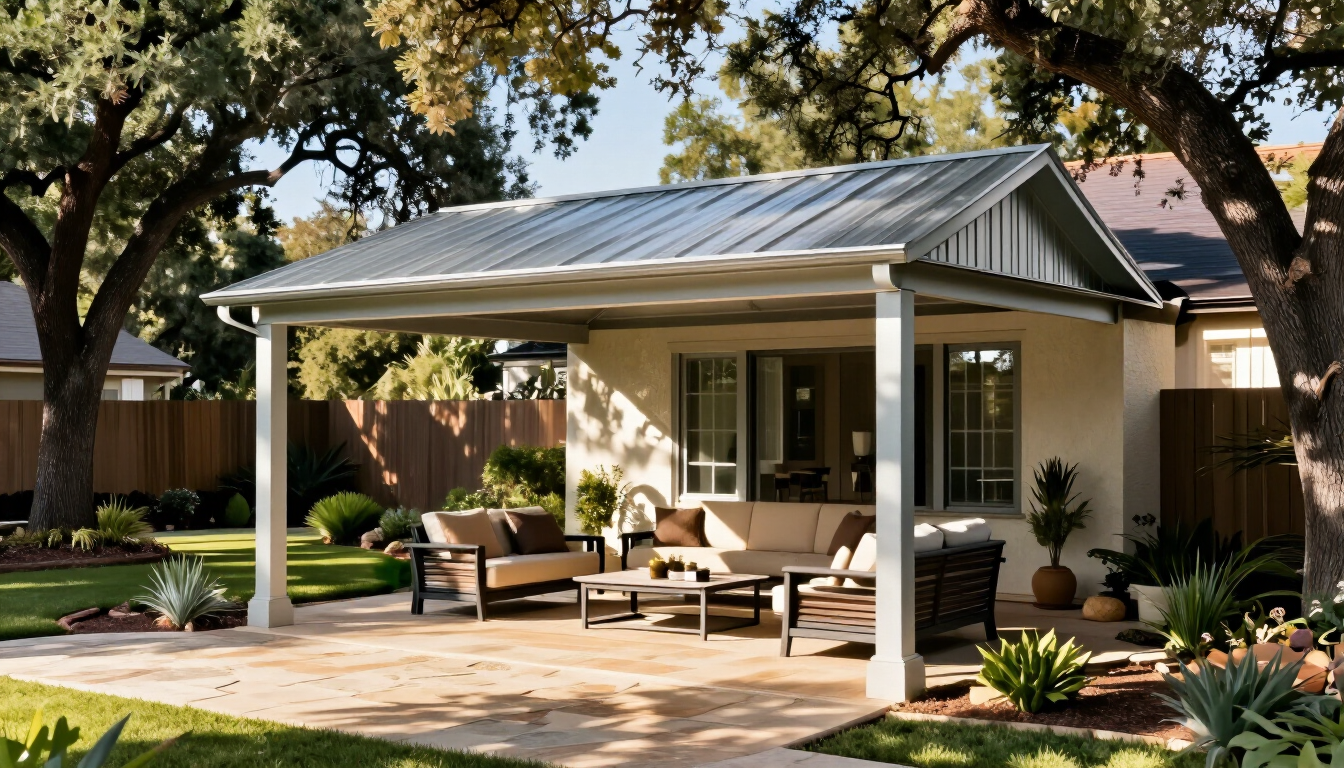
Building a patio cover in San Antonio isn’t just about adding shade — it’s a construction project that must meet local building codes, wind‑load requirements, and safety standards. Pulling a building permit protects your investment, ensures your structure is legal, and prevents costly issues when selling your home. Understanding the local regulations for is the first step toward a successful home improvement project.
Texas Patio Covers handles the entire permitting process for you, ensuring your project is approved, compliant, and built to last.
✅ 1. Permits Ensure Your Patio Cover Meets San Antonio Building Codes
San Antonio requires permits for any permanent patio cover, including:
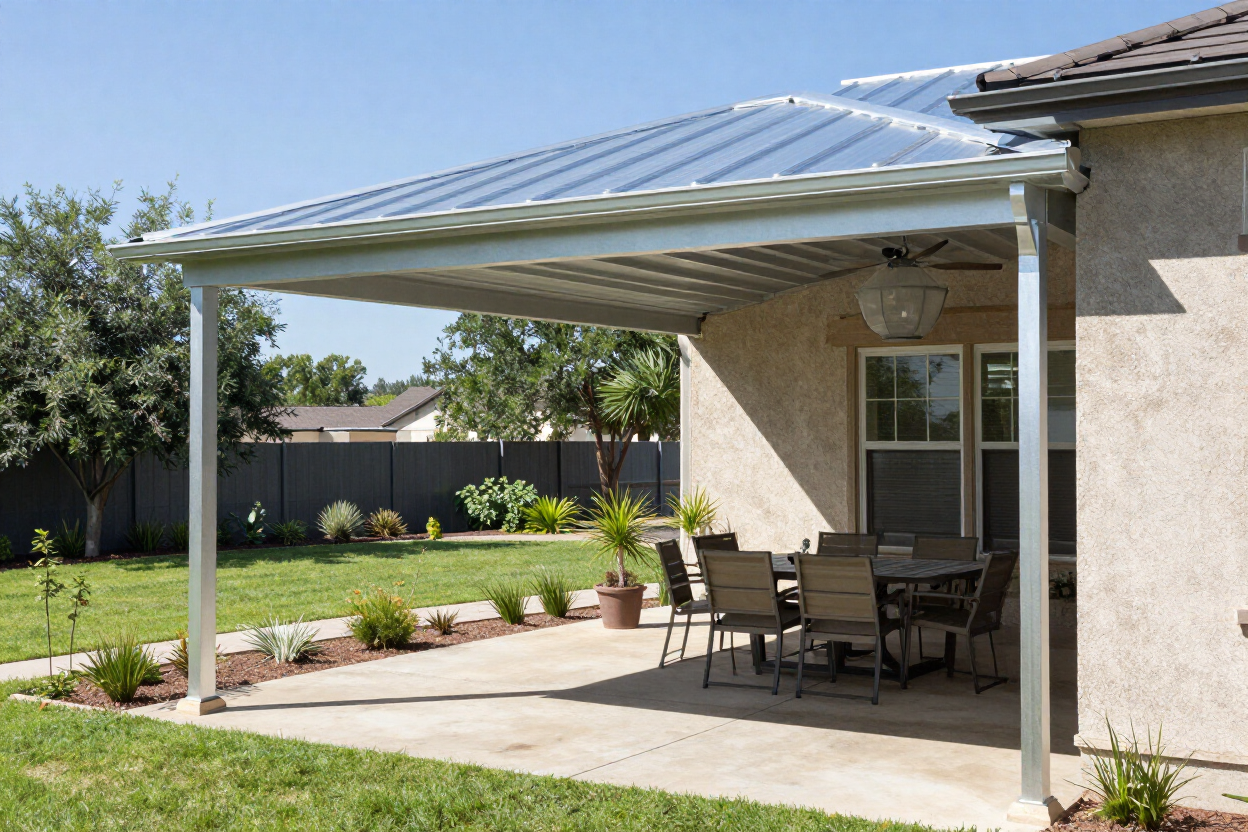
- Attached aluminum patio covers
- Insulated roof systems
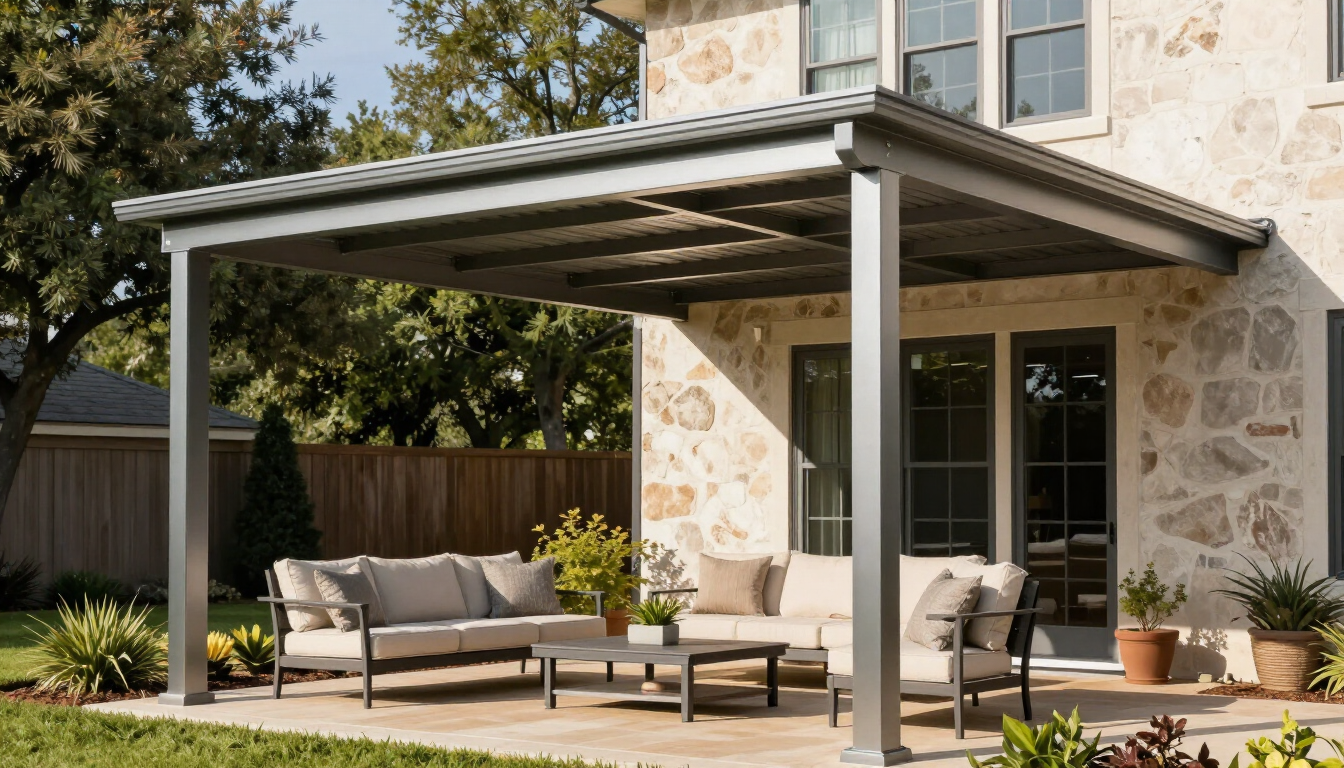
- Freestanding structures
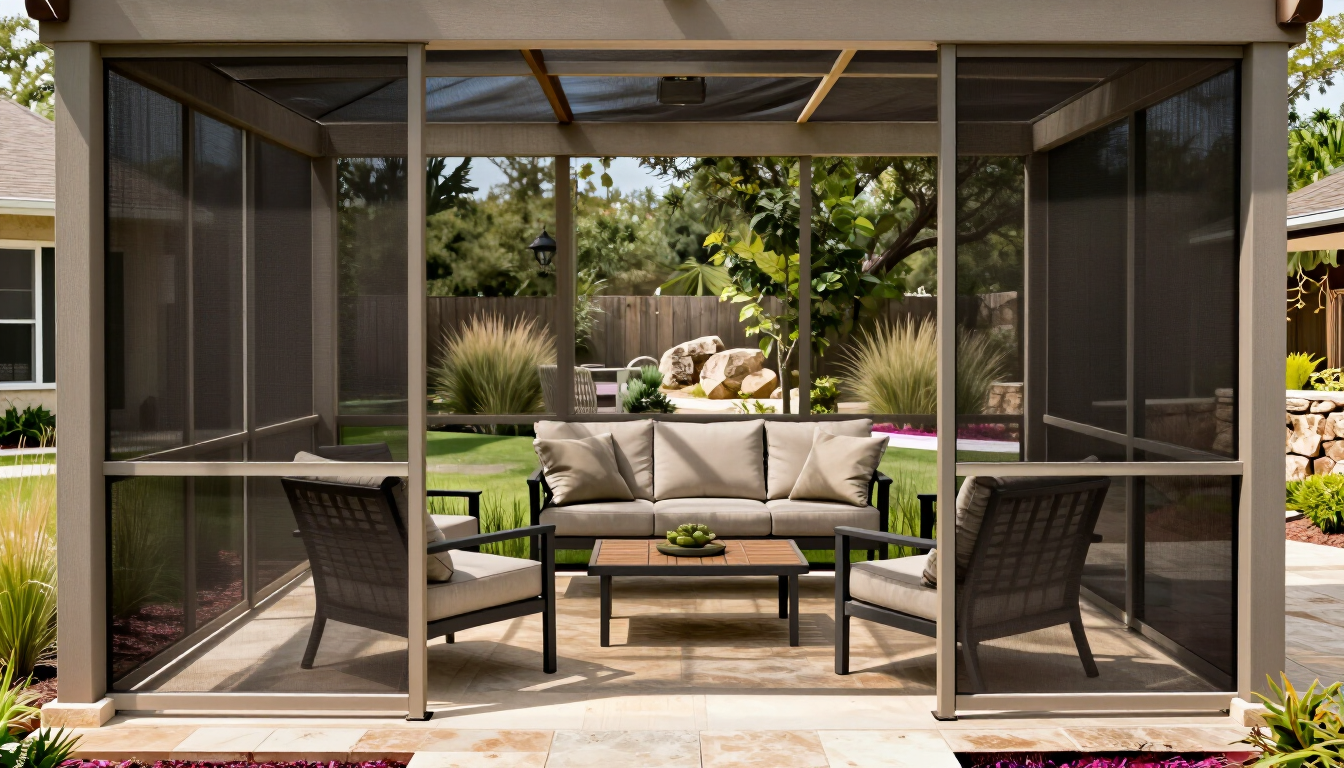
- Screen rooms and enclosed patios
These codes regulate:
- Structural load requirements
- Attachment methods
- Footing depth
- Roof engineering
- Fire and property line setbacks
For homeowners exploring design options, see:
✅ 2. Avoid Fines, Stop‑Work Orders, and Forced Removal
Building without a permit can lead to:
- City inspections
- Stop‑work orders
- Fines
- Forced demolition of unpermitted structures
San Antonio’s Development Services Department actively enforces residential construction rules, especially in neighborhoods with HOAs or newer subdivisions.
If you’re comparing materials, review:
✅ 3. Protect Your Home’s Value and Prevent Appraisal Issues
Unpermitted additions can cause problems when:
- Selling your home
- Refinancing
- Completing insurance inspections
- Filing storm‑damage claims
Appraisers often flag unpermitted patio covers, which can delay or reduce the value of a sale.
✅ 4. Permits Ensure Your Patio Cover Is Engineered for Texas Weather
San Antonio requires structures to withstand:
- High winds
- Heavy rain
- Occasional hail
- Soil movement
Securing
approved footings ensures that your post-and-beam system remains stable despite the shifting clay soils common in the San Antonio area.
A permitted patio cover must include:
- Engineered roof panels
- Proper ledger attachment
- Approved footings
- Correct beam sizing
- Verified load calculations
A permitted structure requires
engineered roof panels that are verified to withstand our local climate's extreme heat and high winds.
✅ 5. Insurance Companies May Deny Claims for Unpermitted Structures
If a storm damages an unpermitted patio cover, insurance companies may:
- Deny coverage
- Reduce payout
- Require removal before repairs
A permitted structure ensures:
- Verified construction quality
- Approved engineering
- Full eligibility for storm‑damage claims
Failing to pull a permit is just one of many
mistakes to avoid that can result in long-term financial headaches.
🛠️ Texas Patio Covers Handles the Entire Permit Process
Homeowners often avoid permits because the process feels overwhelming. We take care of everything, including:
- Site measurements
- Engineering
- Drawings
- Permit submission
- City communication
- Final inspection coordination
This ensures your project is legal, safe, and built to San Antonio’s standards.
📞 Ready to Build a Permitted, Code‑Compliant Patio Cover?
Texas Patio Covers designs and builds structures that meet San Antonio’s building codes and pass inspection the first time. Whether you want a simple shade cover, an insulated roof system, or a full screen enclosure, we make the process seamless.
When you're ready to start your project, we handle all the paperwork for your custom
San Antonio patio covers so you can enjoy your new space with total peace of mind.
Get a free quote today!