

7 Best Retaining Wall Materials in Austin, TX
Get a Free Quote
Contact us any time
We will get back to you as soon as possible.
Please try again later.
Retaining wall materials in Austin, TX should be selected for expansive clay, caliche, intense rain, drainage, and possible flash flooding—not appearance alone. Poured concrete, reinforced block, limestone, Hill Country stone, treated timber, and steel can all work, but the right choice depends on wall height, soil pressure, drainage, budget, and local approvals.
What makes Austin retaining walls different?
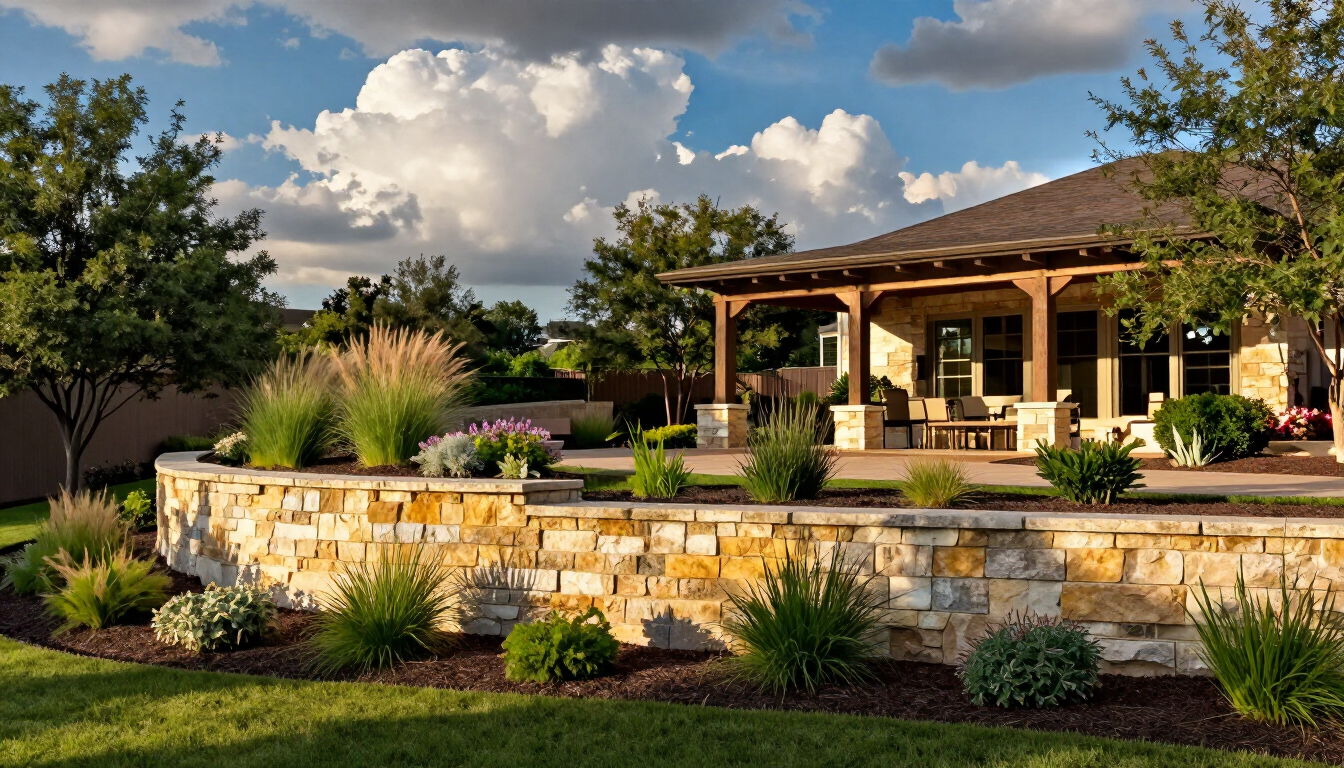
Austin-area properties commonly have expansive clay soils that swell when wet and shrink during drought. Caliche, shallow bedrock, steep lots, intense thunderstorms, and fast-moving runoff add more pressure. A retaining wall must resist soil movement while giving water a controlled path away from the structure.
A beautiful wall can still fail if it lacks:
- A properly prepared base
- Reinforcement suited to the wall height and soil
- Free-draining gravel behind the wall
- Filter fabric and a drainage outlet
- A design that accounts for slopes, runoff, and surcharge loads
For walls near a home, driveway, pool, patio cover, or property line, have a qualified contractor evaluate the site before choosing materials.
Which retaining wall material is best for Austin?
There is no universal winner. Poured concrete is strong and streamlined, while concrete block offers a flexible engineered system. Limestone and Texas Hill Country stone blend naturally with local landscapes. Treated timber can suit smaller, budget-conscious projects, and steel or Corten creates a modern look when properly engineered and protected from corrosion.
The best option is the one that matches the wall’s height, drainage conditions, structural demands, desired appearance, and maintenance expectations.
Quick comparison of retaining wall materials
| Material | Best For | Main Advantages | |
|---|---|---|---|
| Poured Concrete | Engineered, modern walls | Strong, clean lines, durable | |
| Concrete Block | Residential slopes and terraces | Modular, versatile, repairable | |
| Natural Limestone | Texas-style landscapes | Local appearance, long service life | |
| Hill Country Stone | Rustic, natural designs | Blends with native surroundings | |
| Treated Timber | Smaller garden walls | Lower initial cost, warm appearance | |
| Steel or Corten | Contemporary landscapes | Slim profile, distinctive finish |
Is poured concrete a good choice for Austin soil?
Poured concrete can be an excellent choice when the wall needs a clean architectural appearance or significant structural strength. It is especially useful where space is limited because the wall can be relatively thin compared with some masonry systems.
However, concrete is not automatically waterproof or failure-proof. Expansive clay can move around the wall, and trapped water increases lateral pressure. The design may require reinforcing steel, a footing or grade beam, waterproofing, drainage aggregate, and a properly sized outlet. Cracks can appear when design, curing, soil movement, or drainage is neglected.
Choose poured concrete when you want a highly engineered, low-visual-clutter wall and have a qualified professional handle the site conditions.
Are concrete blocks better than poured concrete?
Segmental retaining wall blocks are often a practical residential solution. Their modular construction can accommodate minor movement better than a rigid, poorly designed wall, and individual units can be replaced if damaged. Many systems use geogrid reinforcement extending into the soil behind the wall.
Concrete block is a strong candidate for:
- Tiered landscape walls
- Sloped backyards
- Garden and planting areas
- Walls with a manufactured, consistent appearance
The blocks still need a compacted base, correct setback, drainage stone, and reinforcement when required. Taller walls, walls near structures, and walls carrying driveway or building loads may need engineering and permits.
Do limestone and Hill Country stone work for retaining walls?
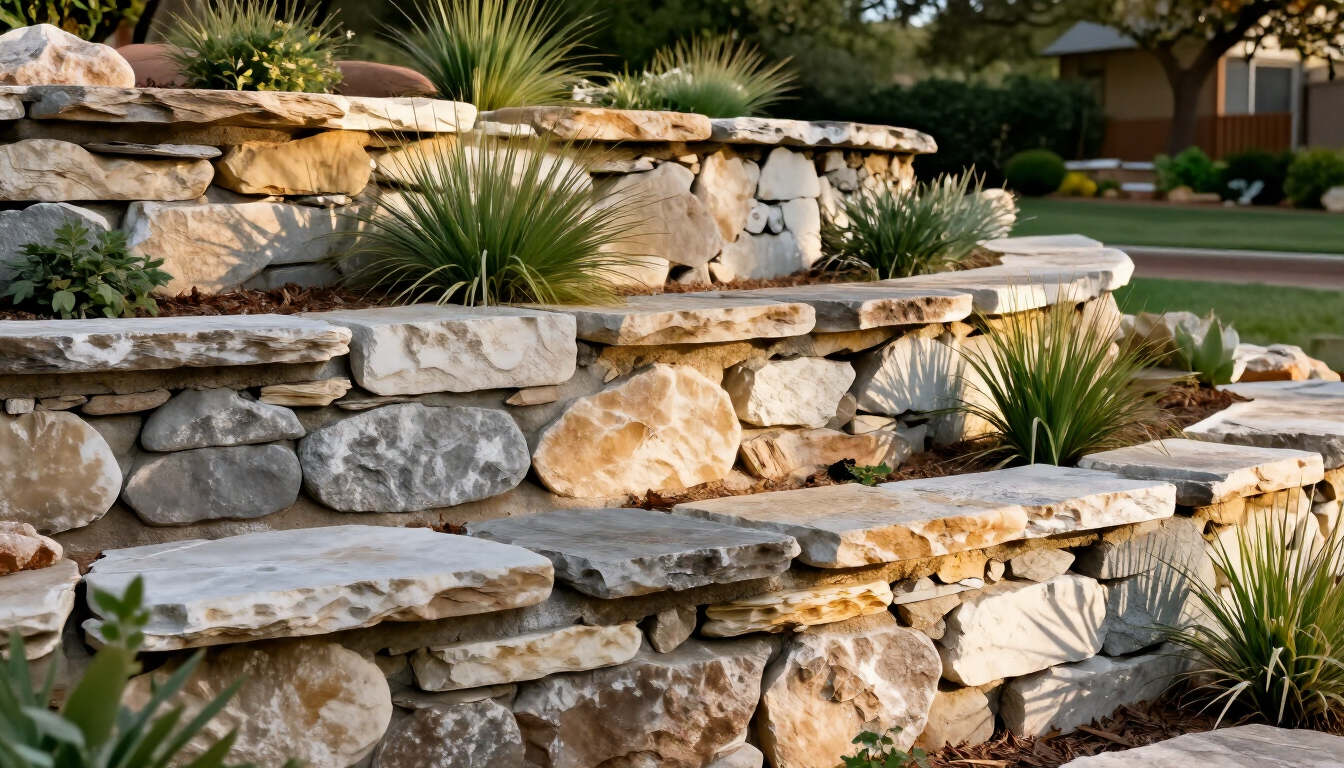
Natural limestone and locally sourced Hill Country stone are popular because they look at home beside native plants, flagstone paths, and outdoor living spaces. Properly built dry-stack or mortared walls can create an attractive transition between terraces and sloped yards.
Natural stone is not automatically structural. Wall thickness, stone size, batter, footing, mortar, and drainage must match the site. A decorative veneer over an engineered wall may provide the appearance of stone while delivering more predictable structural performance.
Limestone is usually the better fit for a clean, layered look. Irregular Hill Country stone produces a more rustic effect but demands careful placement and an experienced installer.
When should you use timber or steel?
Treated timber can work for short, lightly loaded landscape walls where budget and a warm, informal appearance matter. It is easier to cut and install than masonry, but constant moisture, termites, rot, and soil contact can shorten its service life. Use properly rated ground-contact material and do not treat timber as a solution for a high or heavily loaded wall without professional design.
Steel and Corten steel are attractive for modern Austin landscapes. Their slim profile saves space, and weathering steel develops a distinctive patina. Yet steel walls need attention to corrosion, drainage, soil chemistry, anchoring, and the possibility of rust staining on nearby paving. They are best used when a landscape designer or structural professional can coordinate the details.
How do drainage and flash flooding affect material choice?
Drainage is often more important than the visible wall material. Water behind a wall adds weight and hydraulic pressure, while concentrated stormwater can erode the base or wash out soil. Austin’s intense rainfall makes this a central design issue.
A typical drainage plan may include:
- Excavating to competent soil and preparing a compacted base.
- Installing clean drainage gravel behind the wall.
- Separating soil from gravel with filter fabric.
- Adding perforated pipe where appropriate.
- Directing outlets to a safe, permitted discharge point.
Never redirect runoff toward a neighbor, foundation, public sidewalk, or unstable slope. A wall contractor should coordinate grading and drainage with the broader landscape plan.
What permits or HOA rules apply in Austin?
Requirements vary by the city, county, wall height, location, drainage impact, and whether the wall supports a surcharge such as a driveway, building, or pool. HOA rules may control materials, colors, setbacks, visibility, and construction hours.
Before construction, confirm:
- Whether a permit or engineered plan is required
- Property lines and utility locations
- Floodplain, drainage, and erosion restrictions
- HOA design-review requirements
- Whether a retaining wall affects an existing patio or foundation
Do not assume a small-looking wall is exempt. Ask the applicable city or county office and use a contractor familiar with local permitting.
How does a retaining wall fit with a patio cover or pergola?
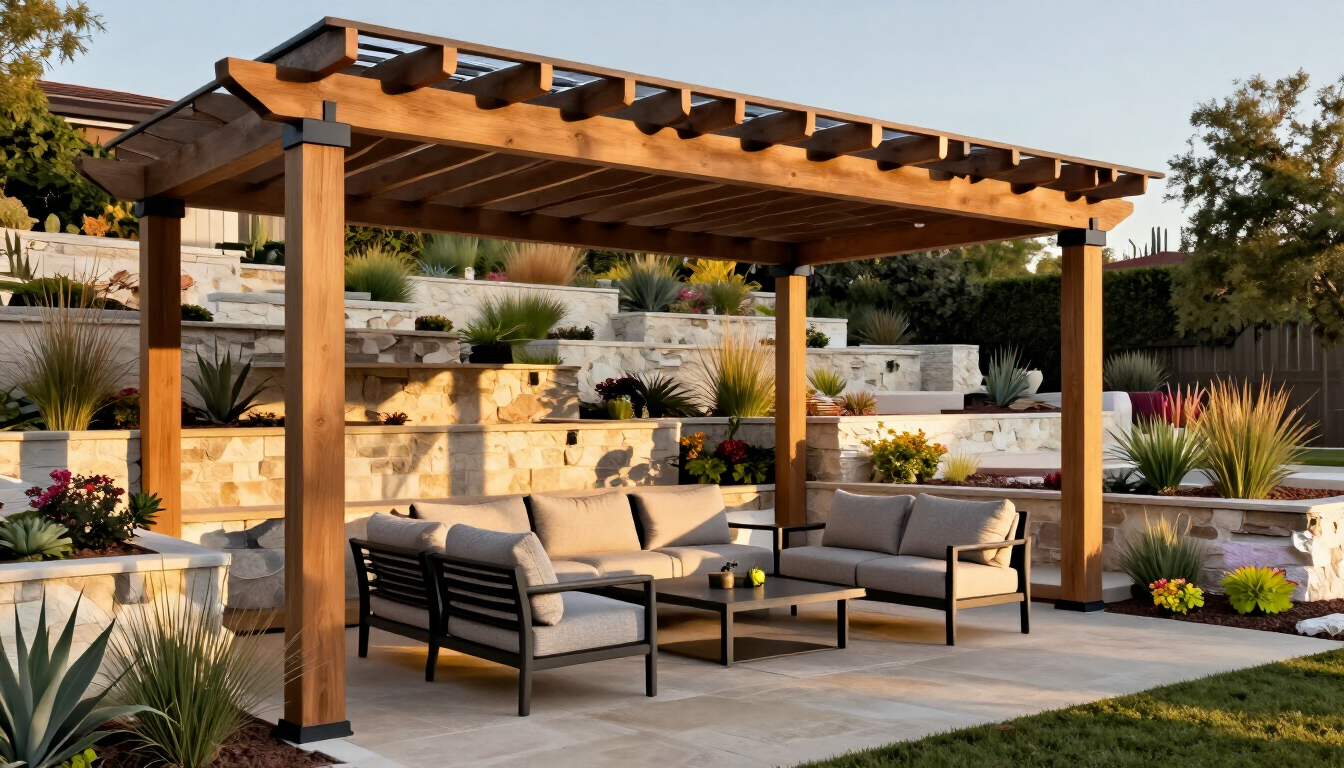
A retaining wall can make a sloped backyard more usable by creating a level area for a patio, pergola, or screen room. The sequence matters: grading, wall construction, drainage, foundations, paving, and the outdoor structure should be coordinated before work begins.
Texas Patio Covers specializes in insulated aluminum patio covers, cedar and aluminum pergolas, and screened porch or screen room enclosures—not retaining wall construction. For projects that need both, we coordinate with trusted wall and landscape contractors so the finished plan accounts for elevations, access, drainage, and structure placement.
Explore options for Austin patio covers , Austin pergolas , or screen rooms after the wall and grade strategy is established.
Frequently asked questions
What is the longest-lasting retaining wall material in Austin?
Properly engineered poured concrete, concrete block, and natural stone can all last for decades. Drainage, foundation preparation, reinforcement, workmanship, and soil conditions usually matter more than the material label alone.
What is the most affordable retaining wall material?
Treated timber often has the lowest initial cost for short, lightly loaded walls. Concrete block may offer better long-term value when appearance, repairability, and service life are priorities. Get site-specific bids rather than comparing material prices alone.
Can a retaining wall be built without drainage?
A retaining wall should not be built without a deliberate drainage plan. Water pressure is a leading contributor to leaning, cracking, settlement, and wall failure, particularly during Austin’s heavy storms.
Does Texas Patio Covers build retaining walls?
No. Texas Patio Covers focuses on patio covers, pergolas, screen rooms, and screened porches. We can coordinate with trusted retaining wall contractors when a wall is part of a larger outdoor living project.
The practical takeaway
For most Austin backyards, choose retaining wall materials based on soil movement, wall height, drainage, flood exposure, and nearby loads before choosing color or style. Poured concrete and concrete block suit engineered applications; limestone and Hill Country stone provide a natural regional look; timber fits smaller walls; and steel works well for carefully detailed modern designs. Confirm permits, HOA rules, utilities, and property lines early. If the wall will support a new outdoor living area, coordinate it with your patio cover, pergola, or screen room plans so every elevation and drainage detail works together.