

Patio Cover vs. Pergola vs. Screened Porch: 2026 Cost & Shade Guide for San Antonio & Austin
Get a Free Quote
Contact us any time
We will get back to you as soon as possible.
Please try again later.
Choosing between a patio cover, pergola, or screened porch depends on your budget and desired protection. Patio covers provide full shade and rain protection, pergolas offer partial shade with architectural style, and screened porches add bug-free living. In San Antonio and Austin, 2026 costs range from $4,000 to $25,000+.
Understanding Your Texas Shade Options
Living in the Texas Hill Country means dealing with an environment that is as beautiful as it is demanding. From the scorching August afternoons in Austin to the sudden spring thunderstorms in San Antonio, your outdoor space needs to be resilient. When you start planning your backyard transformation, the first question is usually about the level of protection you actually need. Are you looking to create a total outdoor living room, or do you just want a bit of relief from the direct UV rays while you grill?
For many homeowners in Round Rock & Pflugerville , the decision comes down to how they plan to use the space during the peak of summer. A patio cover acts as a true extension of your roof, blocking 100% of overhead sunlight and keeping the slab significantly cooler. Meanwhile, a pergola provides that classic, breezy aesthetic that many people love for Mediterranean or modern ranch-style homes. Then there is the screened porch, which is the ultimate solution for those who want to enjoy the outdoors without the uninvited guests—specifically the mosquitoes that thrive in our humid evenings. Selecting the right structure involves balancing these functional needs with your home’s architecture and your long-term maintenance preferences.
What is the cost of a patio cover vs. pergola vs. screened porch in 2026?
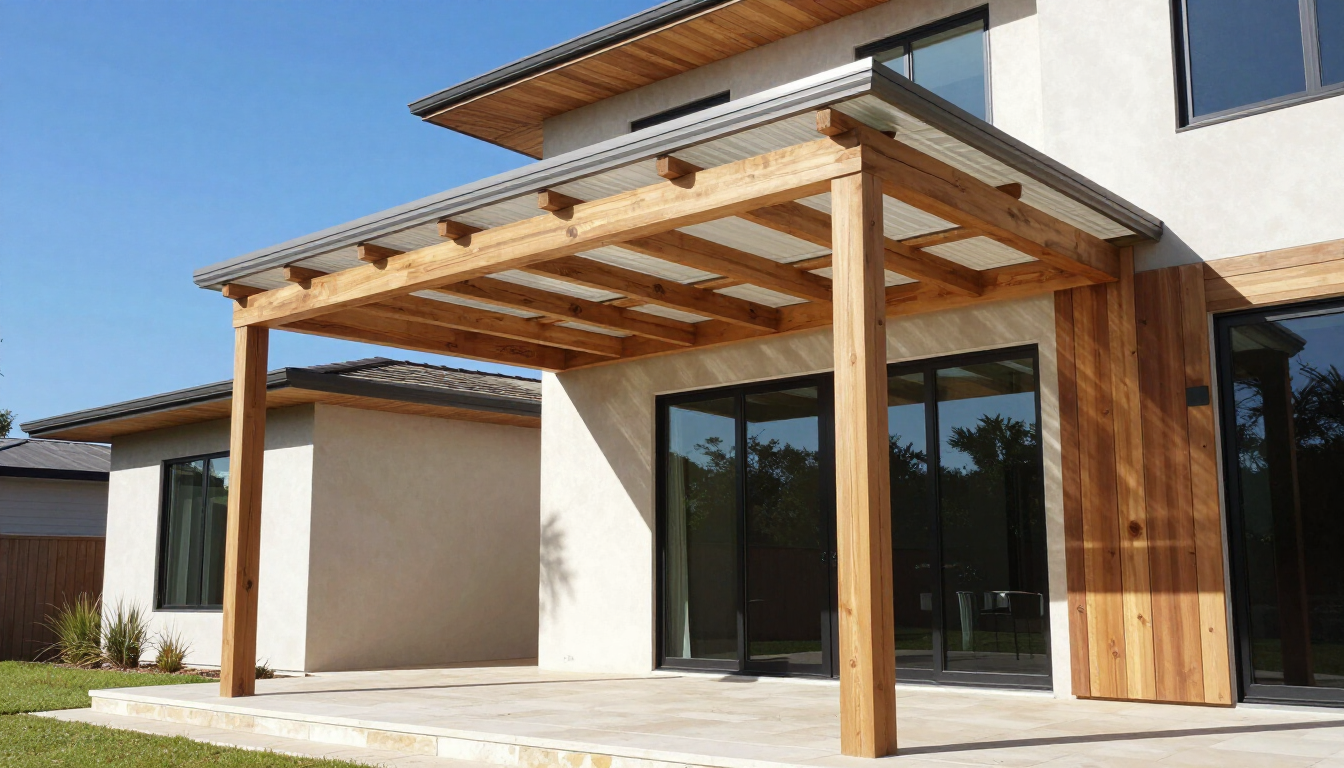
Budget is almost always the deciding factor for homeowners in the Texas Hill Country. As we move through 2026, material costs have stabilized, but labor and specialized design features remain the primary drivers of price. Generally, a pergola is the most budget-friendly entry point, while a fully integrated screened porch represents the highest investment due to the additional framing and mesh requirements.
Here is a breakdown of what you can expect to invest in these structures this year:
- Pergolas: Simple wooden or aluminum pergolas typically start around $4,000 to $9,000 for standard sizes, depending on the complexity of the rafter design.
- Patio Covers: A solid aluminum patio cover usually ranges between $7,000 and $15,000, offering permanent rain and sun protection.
- Screened Porches: These structures often start at $12,000 and can exceed $25,000 if you include high-end flooring, lighting, or ceiling fans.
- Custom Features: Adding integrated LED lighting or heavy-duty structural beams for large spans will increase the baseline cost by 15-20%.
- Permitting: In cities like Austin, permit fees and engineering reviews can add $500 to $1,500 to your total project cost.
Investing in high-quality materials like extruded aluminum rather than pressure-treated wood can save you thousands in the long run. While the upfront cost of aluminum is higher, it doesn't warp, rot, or require the biennial staining that wood demands in our harsh Texas climate. For a detailed quote tailored to your specific backyard dimensions, it is always best to contact a local specialist who understands the local building codes in San Antonio and the surrounding areas.
Why choose a pergola for your San Antonio home?
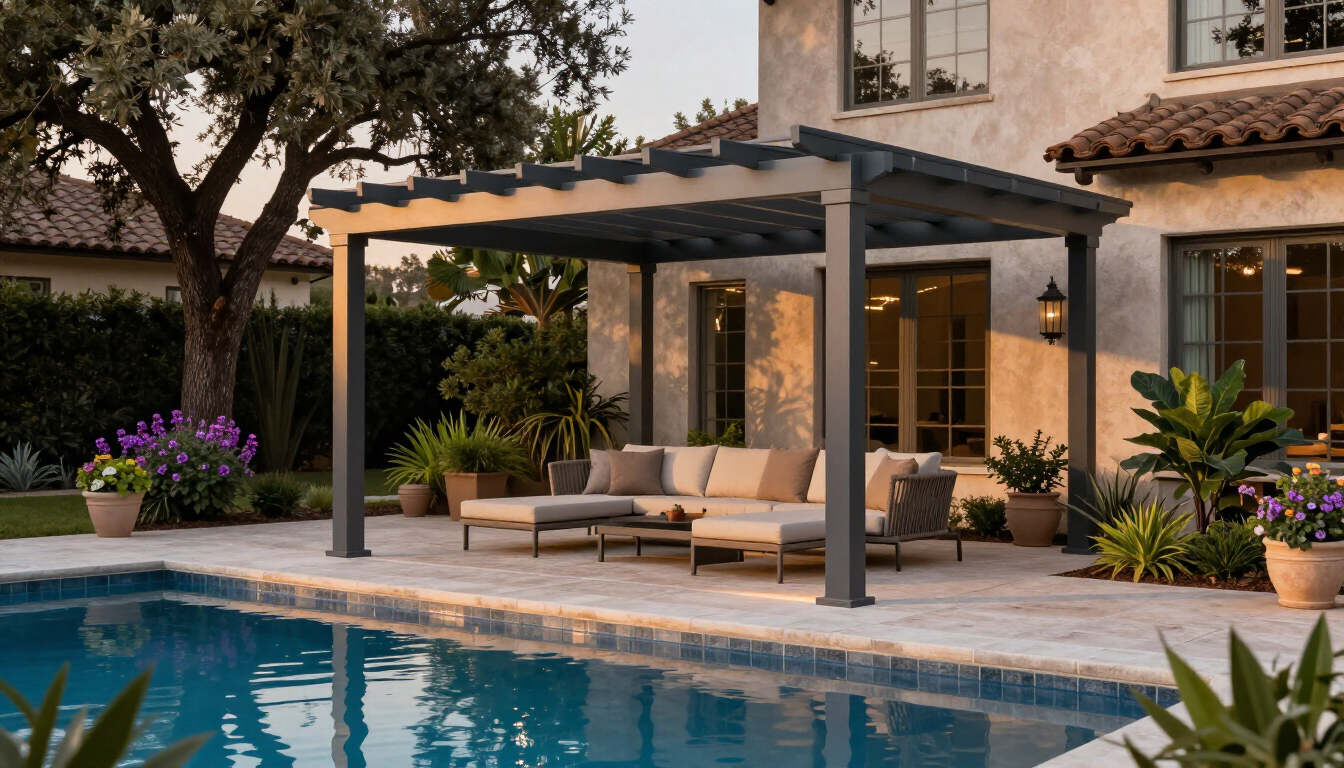
If your primary goal is to add architectural character and a "dappled shade" effect, a pergola is likely your best bet. Pergolas are beloved in San Antonio for their ability to define an outdoor space without making it feel enclosed. They are perfect for poolside lounging or creating a designated dining area on a deck. The open-roof design allows for maximum airflow, which is crucial during those stagnant, humid days when a breeze is your best friend.
Modern pergolas have come a long way from the basic wooden structures of the past. Today, many homeowners opt for pergolas with adjustable louvers or polygal covers. These options give you the best of both worlds: the beauty of a pergola with the functional rain protection of a solid cover. If you choose a traditional open-top pergola, you are getting about 40% to 60% shade protection, which is enough to take the sting out of the sun while still allowing you to see the sky. It’s an aesthetic choice that elevates the luxury feel of your backyard immediately upon installation.
How does a solid patio cover perform in Austin’s heat?
For those living in the heart of the city or in high-heat areas like Austin , a solid patio cover is often the most practical choice. The difference in temperature under a solid insulated cover versus an open pergola can be as much as 15 to 20 degrees. This thermal barrier is essential if you want to use your patio during a typical Texas July afternoon. A solid cover ensures that your outdoor furniture stays dry during rain showers and protected from the fading effects of constant UV exposure.
When we install a patio cover in Central Texas, we focus on durability. Aluminum covers are particularly popular because they reflect heat rather than absorbing it. Unlike wood, which can trap heat and radiate it downward, aluminum stays relatively cool and requires zero maintenance. This makes it an ideal choice for busy families who want to enjoy their backyard without adding "staining the patio" to their annual to-do list. Furthermore, a solid cover allows for the easy installation of ceiling fans, which significantly improves comfort levels by creating consistent airflow over your seating area.
Is a screened porch worth the investment for pest control?
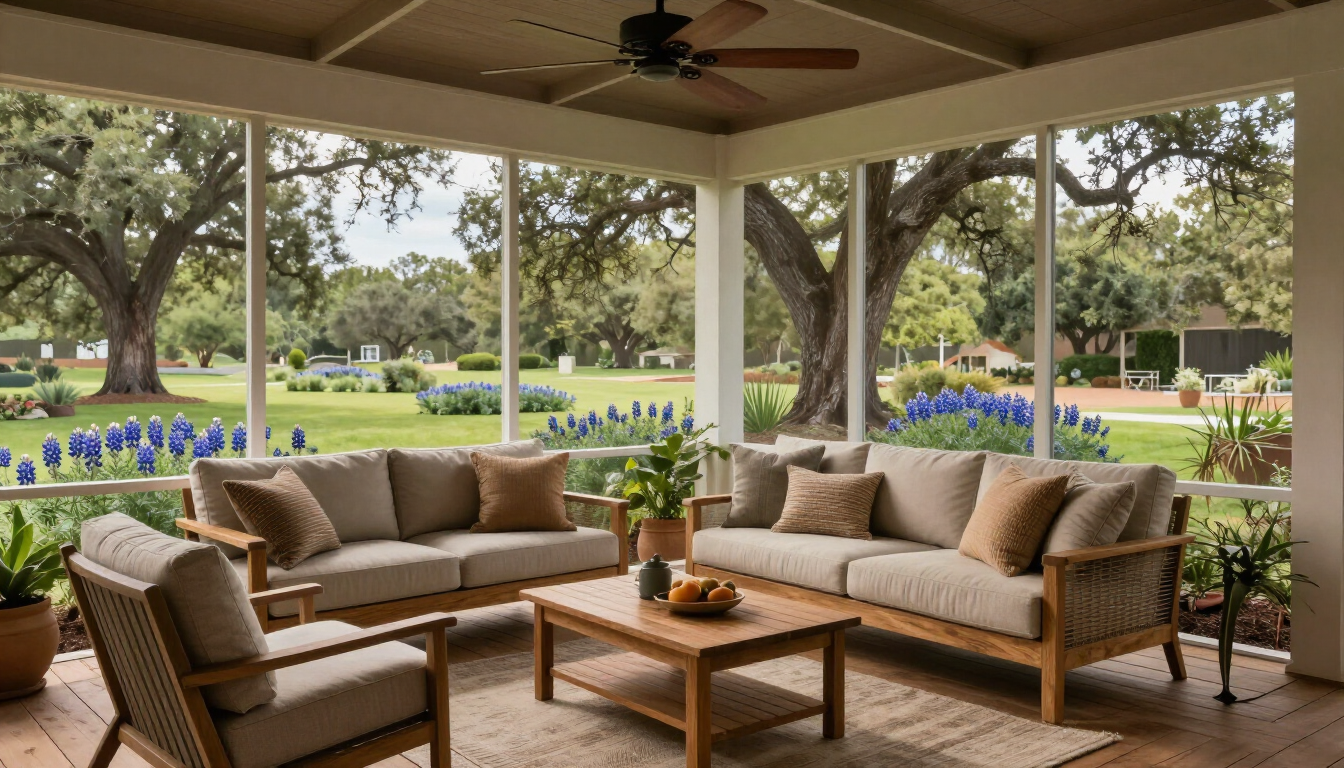
The "mosquito problem" is a reality for anyone living near the greenbelts in Austin or the river areas in New Braunfels . A screened porch is the only solution that offers a truly bug-free environment while still allowing you to feel the outdoor breeze. For many, this is the ultimate luxury. It transforms a simple patio into a multi-functional room that can serve as a morning coffee nook, a playroom for kids, or a protected space for pets.
Beyond just blocking insects, screened porches also provide a significant barrier against wind-blown debris, leaves, and even some pollen. While they are the most expensive of the three options, they also add the most value to your home’s square footage. In 2026, we are seeing a trend toward "invisible" mesh screens that offer high clarity, so you don't lose your view of the Texas Hill Country while you stay protected. If you find yourself staying inside because the bugs are too aggressive, the investment in a screen room pays for itself in usable time spent outdoors.
Key Differences in Maintenance and Durability
When comparing these structures, it’s vital to look past the first day of installation and consider the next ten years. The Texas sun is brutal on building materials. Wood, while beautiful and traditional, requires a commitment to maintenance. You will need to sand and restain a wooden pergola or patio cover every two to three years to prevent rot and sun damage. For many homeowners, this is a deal-breaker, leading them toward more modern solutions.
- Aluminum Durability: Aluminum structures are impervious to termites, carpenter bees, and rot.
- Color Retention: Modern powder-coated finishes on aluminum won't peel or fade like traditional paint.
- Structural Integrity: Aluminum doesn't warp or sag over time, maintaining the clean lines of your original design.
- Cleaning: A simple spray with a garden hose is usually all that’s needed to keep an aluminum structure looking new.
- Wind Resistance: Professionally installed covers are engineered to meet local wind load requirements, which is critical during storm season.
By choosing materials that are specifically designed for the local climate, you ensure that your investment retains its value. Whether you are in a new development or an established neighborhood, the goal is to build something that looks just as good in 2036 as it does in 2026. This is why many of our clients specifically ask for aluminum patio covers to avoid the long-term headaches associated with natural lumber.
Selecting the Best Structure for the Texas Hill Country
The final choice usually comes down to your specific property and lifestyle. If you have a beautiful view you want to keep completely open, a pergola is fantastic. If you have a south-facing backyard that gets hit with relentless sun all day, a solid patio cover is almost a necessity for survival. And if you live near standing water or dense brush where mosquitoes are a constant threat, the screened porch is the winner.
We serve a wide variety of areas, from the rocky terrain of Cedar Park & Leander to the growing communities in Kyle & Buda . Each location has its own micro-climate and homeowner association rules that might influence your choice. For example, some HOAs have strict requirements about the color and material of any structure attached to the home. Always check your local guidelines before finalizing your design to ensure a smooth construction process.
Summary: Which outdoor structure is right for you?
Deciding between a patio cover, pergola, or screened porch requires weighing your need for shade against your budget and tolerance for pests. In the Austin and San Antonio markets for 2026, the trend is shifting heavily toward low-maintenance aluminum structures that provide maximum heat relief. While pergolas offer unmatched style, solid covers and screened rooms offer the most functional utility for year-round use in our unique climate.
Key Takeaways:
- Pergolas are best for aesthetic appeal and partial shade on a budget.
- Patio Covers are the gold standard for heat reduction and rain protection.
- Screened Porches provide the only 100% bug-free outdoor experience.
- Aluminum materials are recommended over wood to withstand the Texas sun and reduce maintenance.
- 2026 Costs vary significantly based on size, materials, and custom electrical features.
If you are ready to take the next step in upgrading your home, we recommend browsing our photo gallery to see real-world examples of these structures in San Antonio and Austin neighborhoods. Evaluating how these designs look on homes similar to yours can provide the clarity you need to make the right choice for your family’s outdoor future.