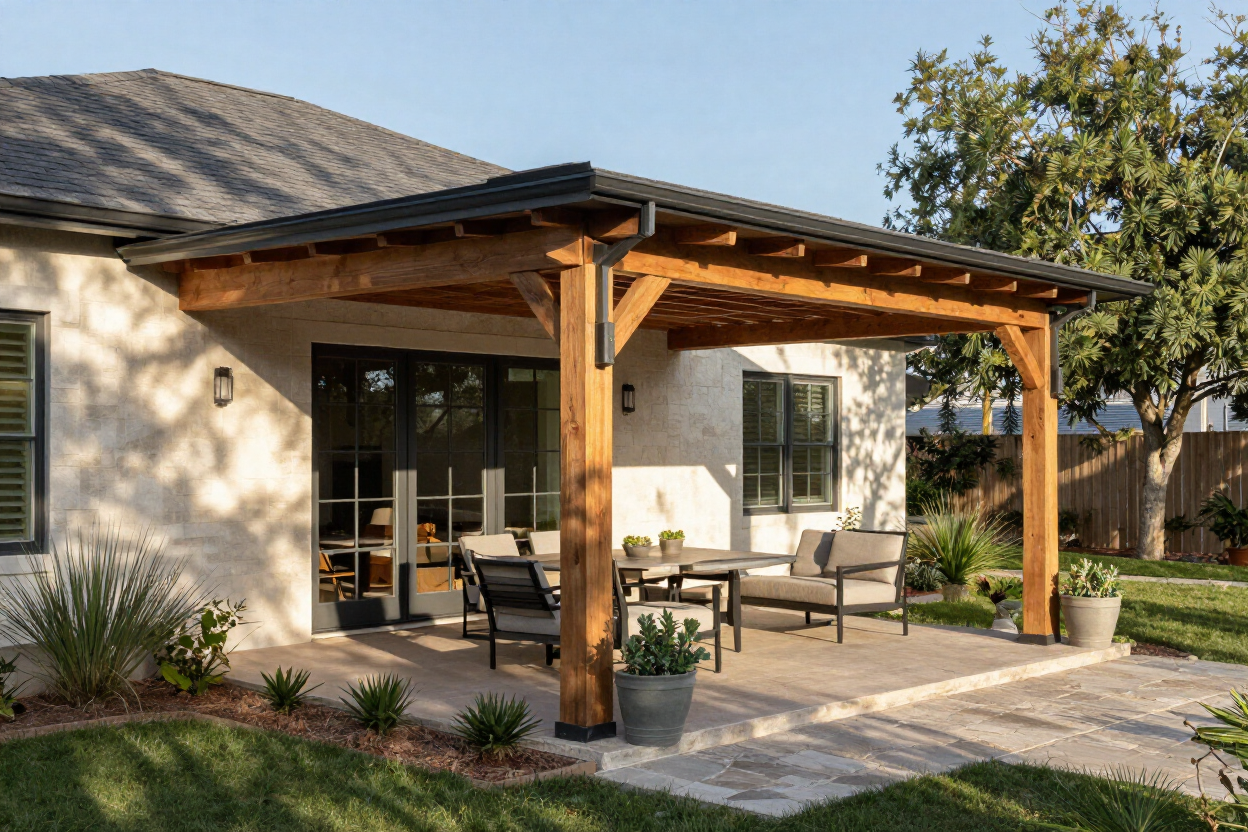
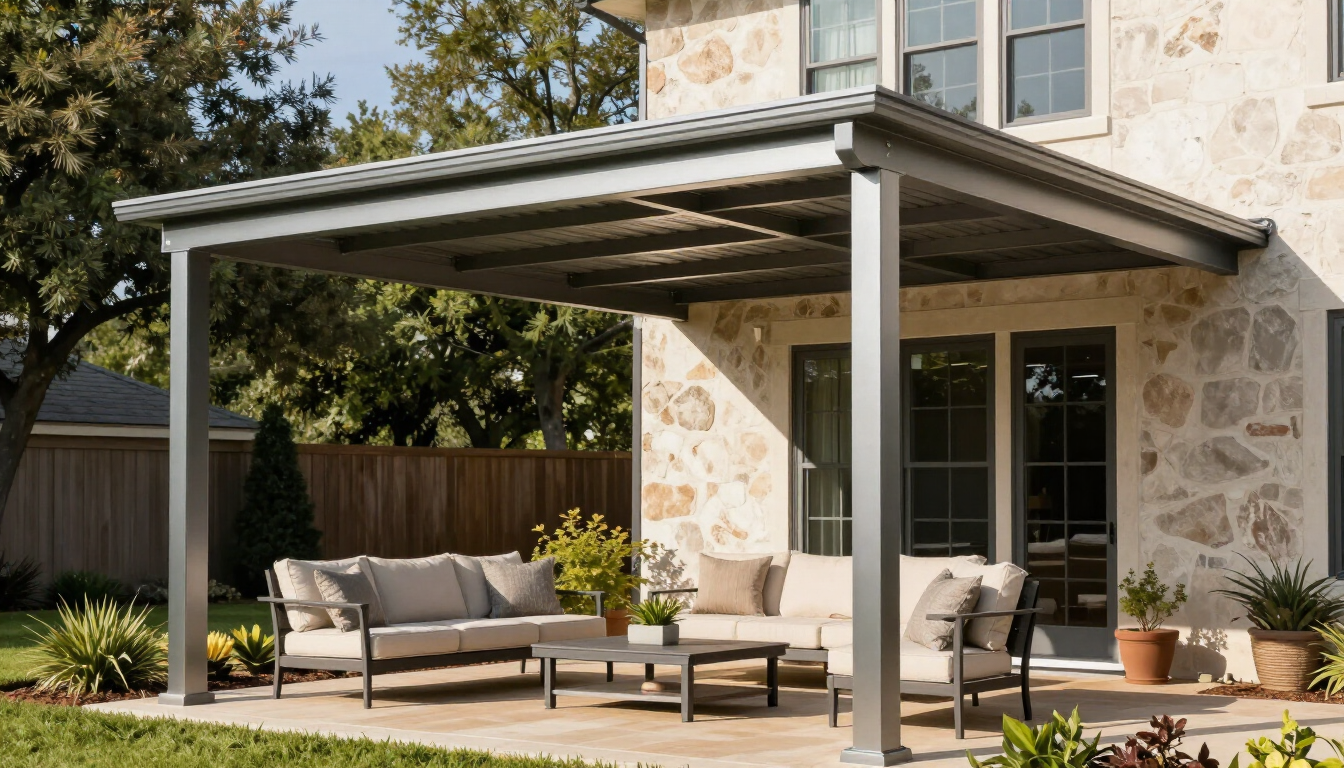
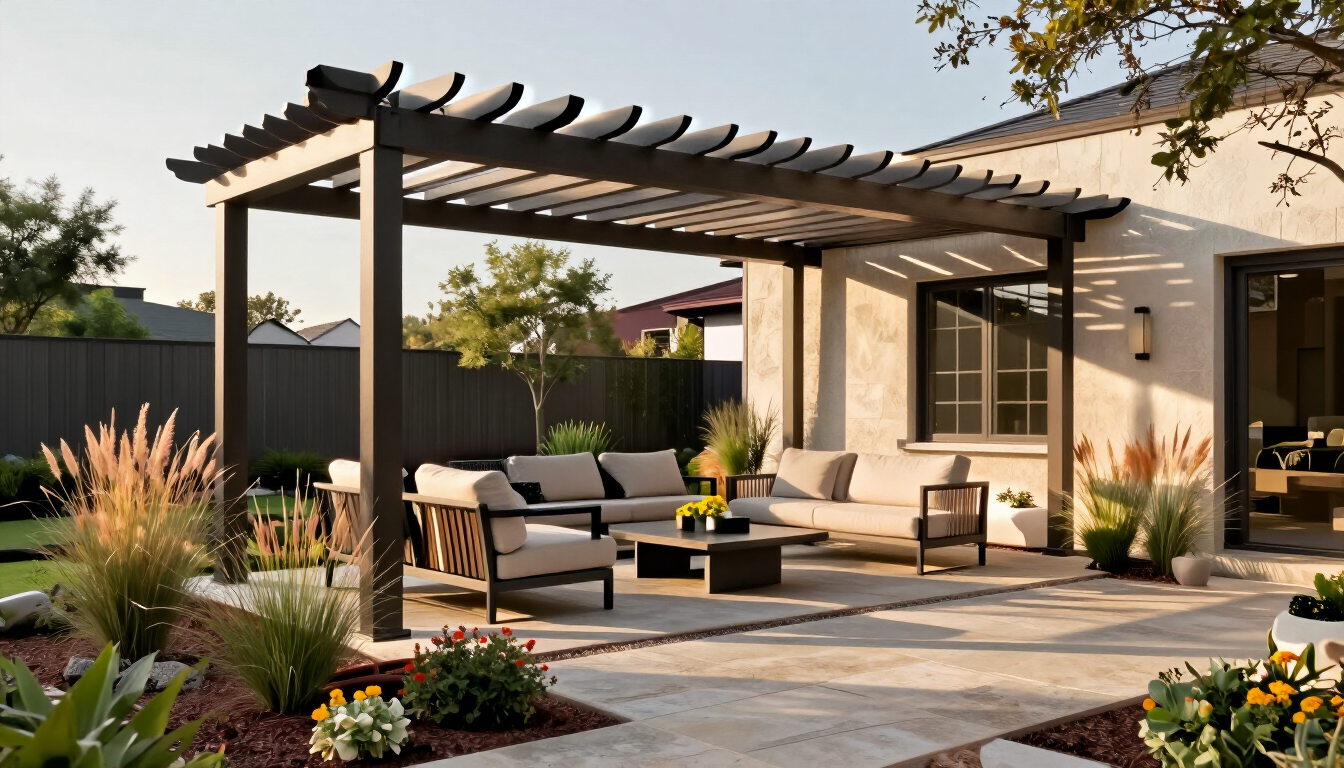
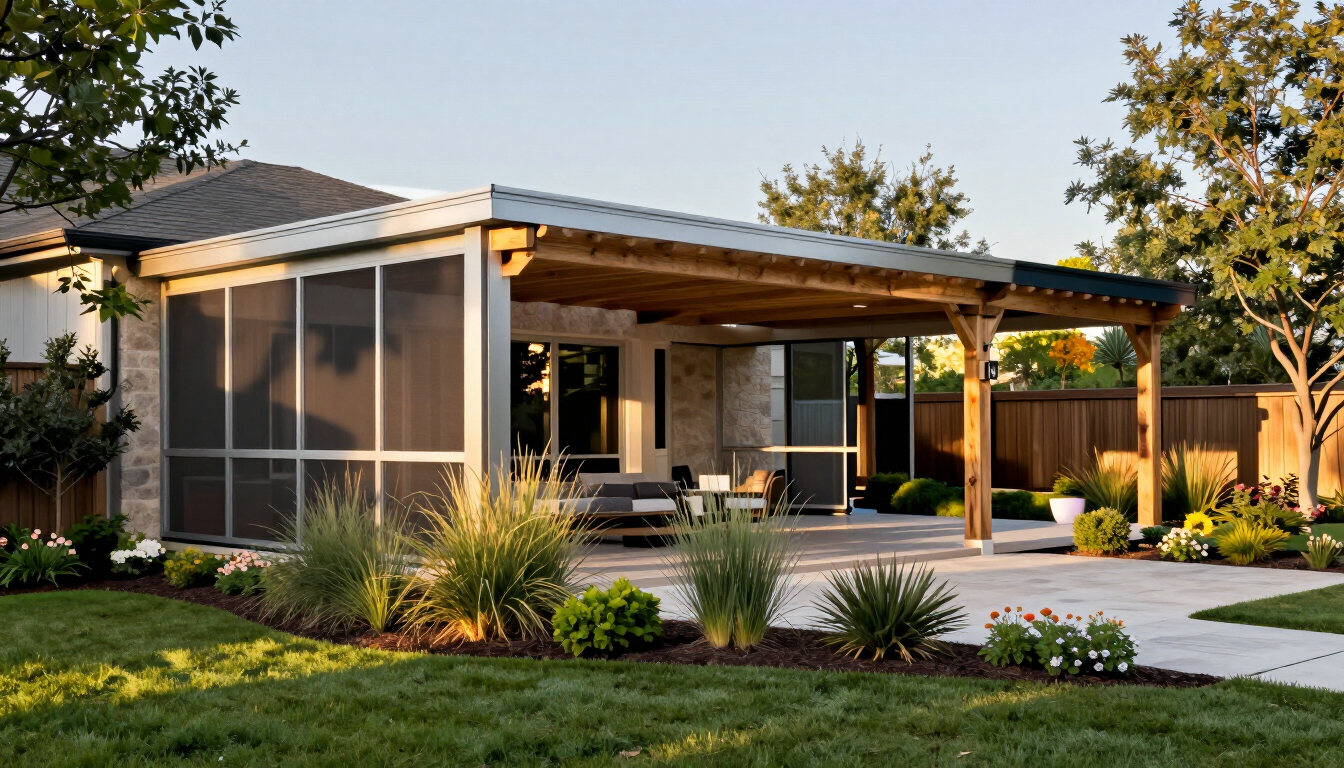
Austin homeowners love the warm, natural look of cedar pergolas — but the Central Texas climate is unforgiving. Between intense UV exposure, rapid temperature swings, humidity, and seasonal storms, cedar simply can’t match the long‑term performance of aluminum.
That’s why more homeowners across Texas are choosing aluminum pergolas for their backyards. They deliver the same visual appeal as wood, but with far better durability and far less maintenance.
Below is a clear, breakdown of why
aluminum pergolas in Austin consistently outperform cedar — and why they’re the smarter long‑term choice for Central Texas homes.
Quick Answer: Wood vs. Aluminum
For most Austin homeowners, aluminum is the better pergola material. It resists UV, humidity, termites and temperature swings, needs only an occasional rinse, and can be finished in a realistic wood-look. Wood (usually cedar) costs less up front and has a natural warmth, but it needs staining or sealing every 1 to 2 years and can warp, crack or mildew in Central Texas weather.
Side-by-side summary
- Upfront cost:Wood is typically lower. Aluminum costs more at install.
- Maintenance:Wood needs regular staining, sealing and repairs. Aluminum needs a rinse.
- Heat and UV:Wood fades and cracks over time. Aluminum finishes hold their color.
- Moisture and pests:Wood can absorb moisture, grow mildew and attract insects. Aluminum does not.
- Look:Wood has natural grain. Aluminum offers modern lines or wood-look finishes.
- Long-term value:Over 10 or more years, aluminum usually costs less once upkeep is counted.
1. UV Exposure Breaks Down Cedar Quickly
We specialize in installing structures that are specifically engineered to handle the 300+ days of intense Texas sunshine without fading or warping. UV exposure causes:
- fading
- cracking
- warping
- surface erosion
- frequent refinishing needs
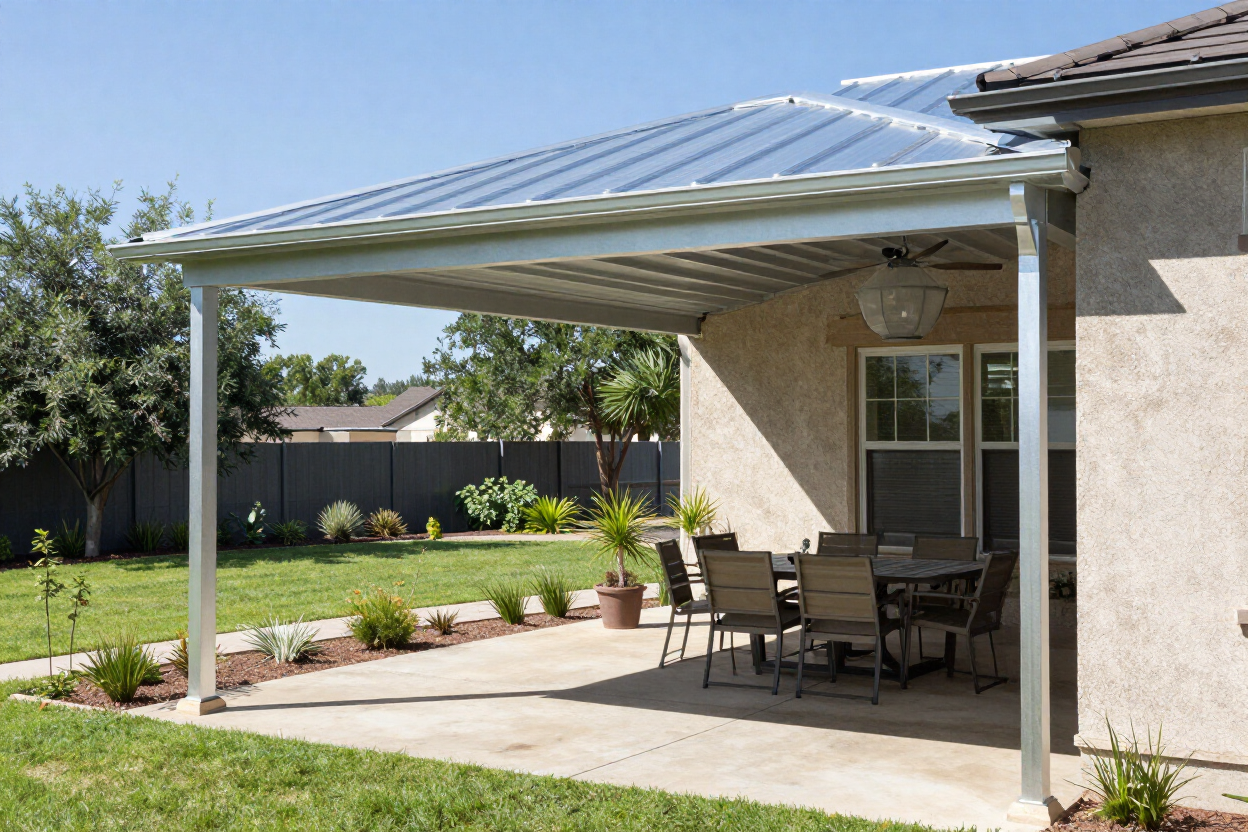
Aluminum pergolas, especially the modern styles featured on the
Aluminum Pergolas page, are engineered to resist UV damage entirely. The finish stays consistent for years without sanding, staining, or sealing.
2. Humidity and Moisture Accelerate Wood Deterioration
Cedar is naturally resistant to rot, but Austin’s humidity and seasonal storms still take a toll. Over time, cedar pergolas can experience:
- moisture absorption
- swelling and shrinking
- mildew growth
- surface roughness
Aluminum pergolas don’t absorb moisture at all. They maintain their shape, finish, and structural integrity regardless of weather conditions — a major reason they’re so popular in outdoor living projects.
3. Aluminum Requires Virtually No Maintenance
Cedar pergolas require ongoing upkeep:
- staining every 1–2 years
- sealing
- sanding
- cleaning mildew
- repairing warped boards
Aluminum pergolas require none of this. A simple rinse is usually all that’s needed.
While cedar requires frequent upkeep, many homeowners start their research on our main
Pergolas page to see the full range of low-maintenance styles we offer.
4. Aluminum Performs Better in Temperature Swings
Austin’s climate can swing from 40°F mornings to 100°F afternoons. Cedar expands and contracts with temperature changes, which leads to:
- joint separation
- cracking
- structural instability over time
Aluminum pergolas remain stable regardless of temperature fluctuations. They’re engineered to handle the exact conditions common in Central Texas.
5. Aluminum Offers More HOA‑Friendly Design Options
Many Austin HOAs — including Circle C Ranch, Avery Ranch, and Steiner Ranch — prefer materials that maintain a consistent appearance over time.
Aluminum pergolas are often approved faster because they:
- maintain uniform color
- resist fading
- match modern architectural styles
- blend well with existing patio covers
We frequently assist with HOA approvals for projects, ensuring your pergola meets local architectural standards. Understanding local regulations is key; check out our guide on
what Austin HOAs typically approve.
6. Wood‑Look Aluminum Delivers the Cedar Aesthetic Without the Drawbacks
One of the biggest advantages of aluminum pergolas is the availability of wood‑look finishes that mimic cedar beautifully — without the maintenance.
These finishes:
- look like real wood
- resist fading
- never need staining
- maintain a clean, modern appearance
If you love the look of timber but want the durability of metal, explore our guide on
what is Alumawood to see how this material perfectly mimics natural cedar grain.
7. Aluminum Integrates Better With Modern Outdoor Structures
Many Austin homes already feature:
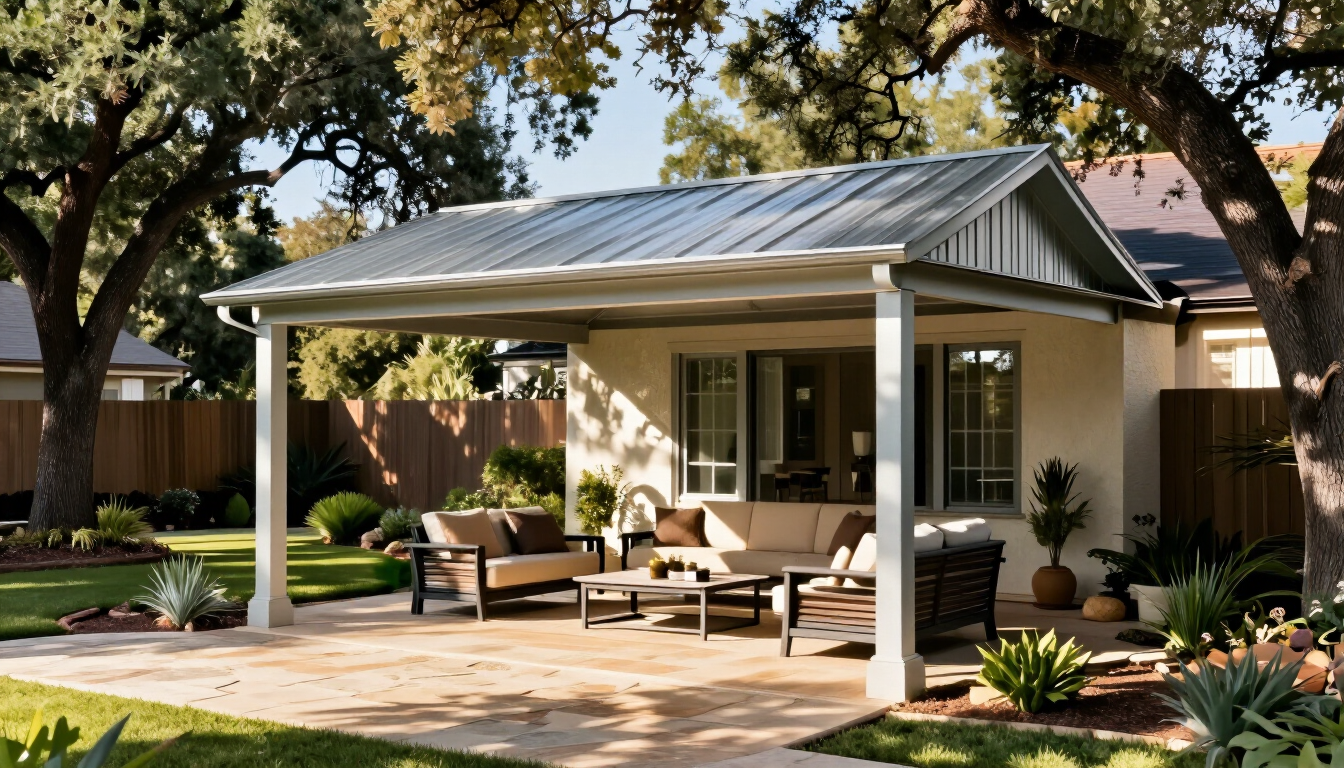
- aluminum patio covers
- insulated roof systems
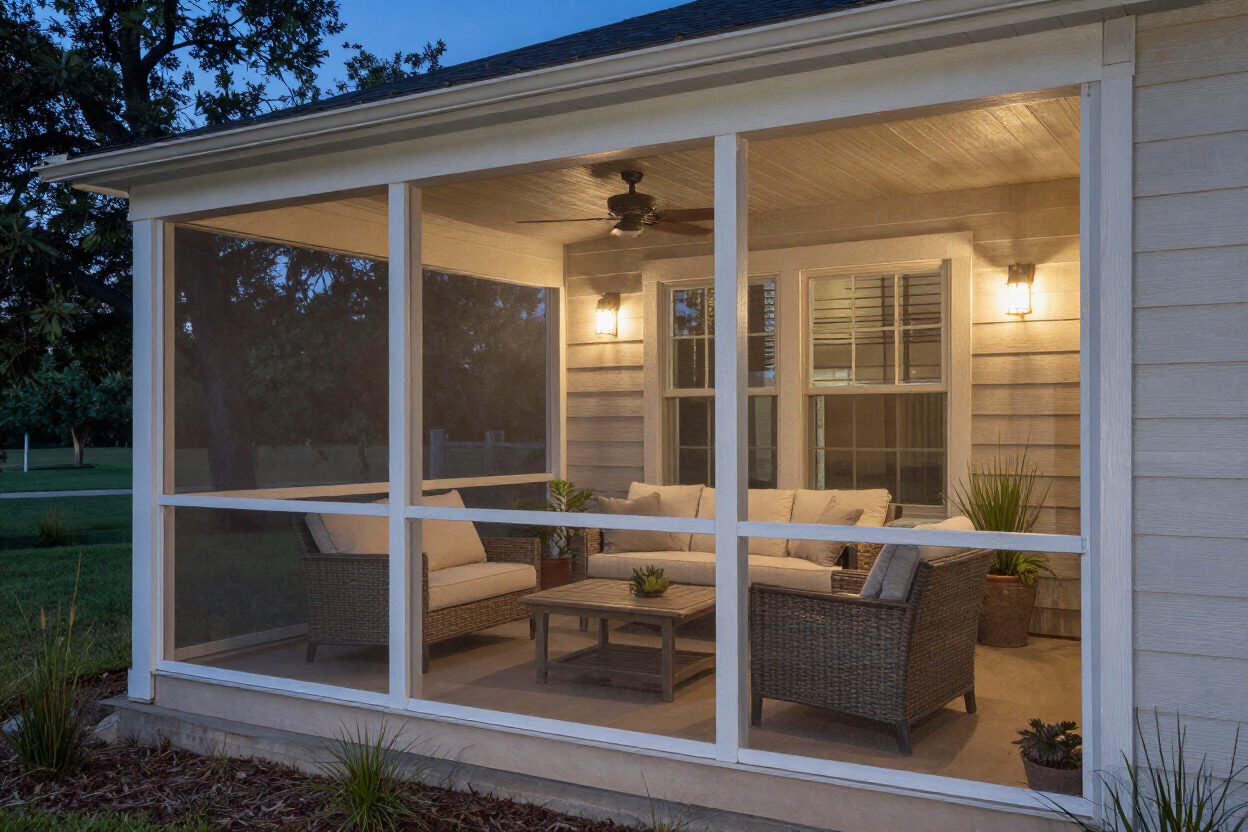
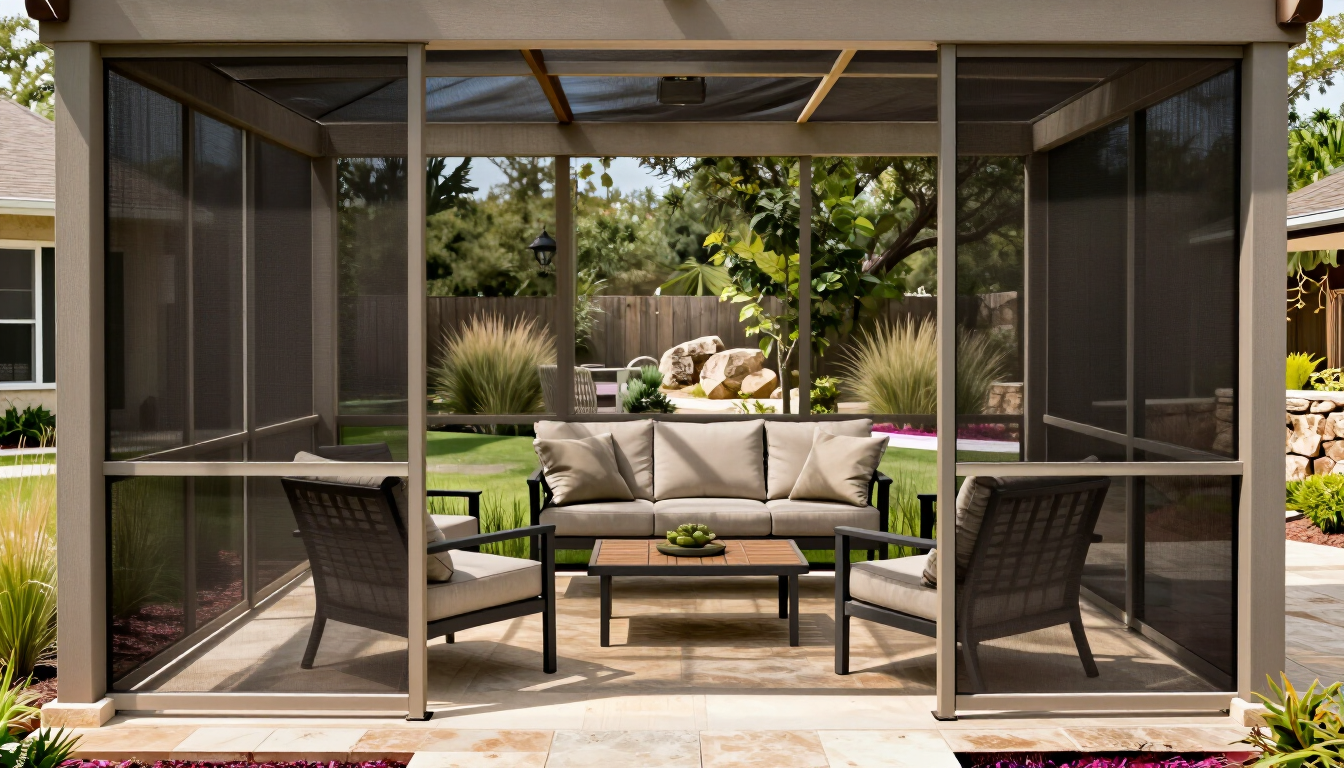
- aluminum screen rooms
Aluminum pergolas integrate seamlessly with these structures, creating a cohesive outdoor living space.
Does the Material Choice Change?
The short answer: the material math is the same across Central Texas, but the conditions that stress a pergola vary a little. San Antonio and the southern Hill Country tend to be hotter and more humid in summer, which is hard on wood finishes. Northern suburbs see the same heat plus sharp temperature swings and storm fronts. Clay-heavy soils in much of the region also move with drought and rain, so a well-engineered footing matters whichever material you pick.
Heat Resistance and Longevity: Pros and Cons
Aluminum (including wood-look Alumawood)
- Pro: does not rot, warp, split or attract termites
- Pro: baked-on finishes resist UV fading far longer than stain on wood
- Pro: can be paired with insulated or Polygal roofing for better heat control
- Con: higher upfront cost than basic wood
- Con: bare metal surfaces can get warm in direct sun, so finish color and roof choice matter
Wood (cedar and similar)
- Pro: natural grain and warmth that fits Hill Country and rustic homes
- Pro: lower upfront cost and easy to customize
- Pro: stays comfortable to the touch in the sun
- Con: needs regular staining or sealing, and Texas sun wears finishes down fast
- Con: can check, warp, mildew or attract insects over time
Wood is still a great fit if you love the look and don't mind a yearly maintenance routine.
Permits vs. HOA Approval: What Central Texas Homeowners Need to Know
These are two separate approvals, and one does not replace the other.
- City or county permit: checks that the structure is safe and meets code, including wind load, footings and setbacks. Requirements differ between Austin, San Antonio, New Braunfels and unincorporated Comal County, so confirm with your local building department.
- HOA approval: checks that the design, color, material and placement match your neighborhood's rules. Submit before you build, since many HOAs can require changes to work done without approval.
Material can affect both. Engineered aluminum comes with documented specs that make permit review straightforward, and consistent finishes tend to be easier to get through an HOA. Wood designs are often approved too, but may need extra detail on finish and upkeep. We prepare the drawings, HOA documents and permit paperwork for you.
Local guides:
Austin permits,
San Antonio permits and
New Braunfels permits.
Which Should You Choose? A Quick Buyer's Checklist
- Choose aluminum if you want low maintenance, long life and a smooth HOA and permit process.
- Choose wood if the natural look matters most and you will stain and seal on schedule.
- Choose wood-look aluminum if you want both the cedar look and the durability.
- Add Polygal or insulated roofing if afternoon heat is your main concern.
What Does a Custom Pergola Include?
A custom pergola is designed around your yard, your home and your HOA rules, not pulled from a catalog. For Austin, Round Rock, Georgetown, Leander and Hill Country homes, that usually means:
- Sizing and layout matched to your patio, pool or outdoor kitchen
- Attached or freestanding designs, with the post spacing your span requires
- Open slats, Polygal roofing or insulated panels for the shade level you want
- Colors and wood-look finishes that suit your home and HOA
- Optional lighting, fans and screen walls
- Engineering, HOA documents and permitting handled for you
Pricing depends on size, material and roof type. Our
Central Texas pergola cost guide breaks down the numbers.
Frequently Asked Questions
Is an aluminum or wood pergola better in Austin?
For most homes, aluminum. It handles Austin’s heat, UV, humidity and storms with almost no upkeep. Wood suits buyers who prioritize a lower upfront price and natural grain and are happy to maintain it.
Can an aluminum pergola look like wood?
Yes. Wood-look aluminum finishes such as Alumawood reproduce cedar grain without staining or sealing.
How long do wood and aluminum pergolas last?
Well-maintained cedar can last many years, but Texas weather shortens its finish and often its lifespan. Aluminum is built for decades of service.
Do I need a permit or HOA approval for a pergola in Austin?
Often yes, for both. We prepare the documents and handle permitting. See our guides on
Austin permits and HOA approvals above.
Can I add shade or bug protection to a pergola?
Yes. Polygal roofing, insulated panels and screen walls can all be added to an aluminum pergola.
Does the permit process differ in San Antonio and the Hill Country?
Yes. Each city and county sets its own rules, and HOAs add another layer. We handle both for projects in Austin, San Antonio, Bulverde, Spring Branch and Comal County.
Does wood or aluminum get hotter in the sun?
Bare metal can feel warmer to the touch, but a pergola's job is shade, and the roof matters more than the frame. Lighter finishes and insulated or Polygal roofing keep the space comfortable.
Upgrade Your Backyard with a Lifetime Structure
Don't let the Texas heat turn your dream pergola into a maintenance nightmare. At Texas Patio Covers, we help you design an elegant, aluminum structure that stays beautiful for a lifetime—no staining or sanding required.
Get Your Free Pergola Quote Today
Or call our local experts at (830) 357-8960 to discuss your project.